1. Product Introduction & Main Application
Arnico’s Polyethylene Wax (PE Wax) is a very low molecular weight (500-4000 Daltons) polyethylene wax, supplied as a white powder or granules, produced by the thermal cracking of High-Density Polyethylene (HDPE) or directly in the polymerization process. This multi-purpose, high-performance additive is used as a lubricant in PVC processing, a gloss and anti-scratch agent in polishes and inks, and a dispersion matrix in masterbatches.
2. Technical Specifications
| Technical Parameter | PVC Lubricant Grade | Masterbatch & Polish Grade | Unit |
|---|---|---|---|
| Drop Point | 100 – 110 | 110 – 120 | °C |
| Viscosity (140°C) | 10 – 20 | 20 – 50 | mPa.s |
| Density | 0.92 – 0.94 | 0.93 – 0.95 | g/cm³ |
| Needle Penetration (25°C) | 1 – 3 | ≤ 1 | dmm |
| Color (Saybolt) | White | White | – |
3. Features & Benefits
An Excellent External PVC Lubricant: Reduces friction between the melt and the metal of the extruder and die, increasing production rates.
Gloss & Anti-Scratch Agent: Creates a smooth, glossy surface in floor, car, and printing ink polishes.
Excellent Dispersing Power: An ideal carrier for pigments and additives in masterbatches and polyolefin films.
Thermal Stability: Good resistance at high processing temperatures without color change.
4. Industrial Applications
PVC Industry: An extrusion lubricant for profiles, pipes, and films.
Paints & Coatings: A matting agent and an improver of abrasion resistance.
Printing Industry: An additive in letterpress and offset inks.
Hot Melt Adhesive Production: A viscosity and open-time modifier.
5. Safety & Handling
MSDS (Material Safety Data Sheet): This substance is non-toxic and safe. The dust is a mechanical irritant. The Arnico MSDS file is available.
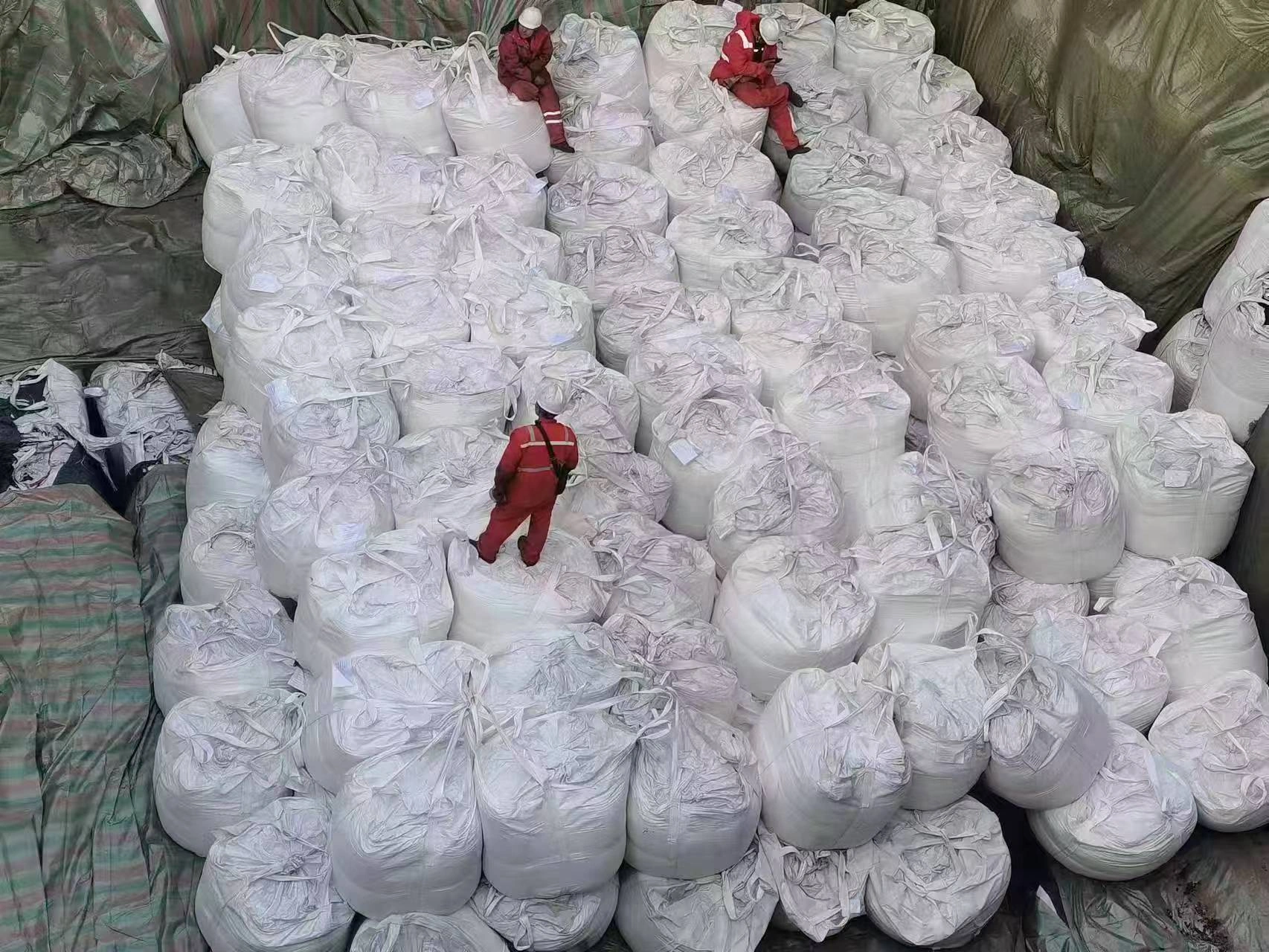
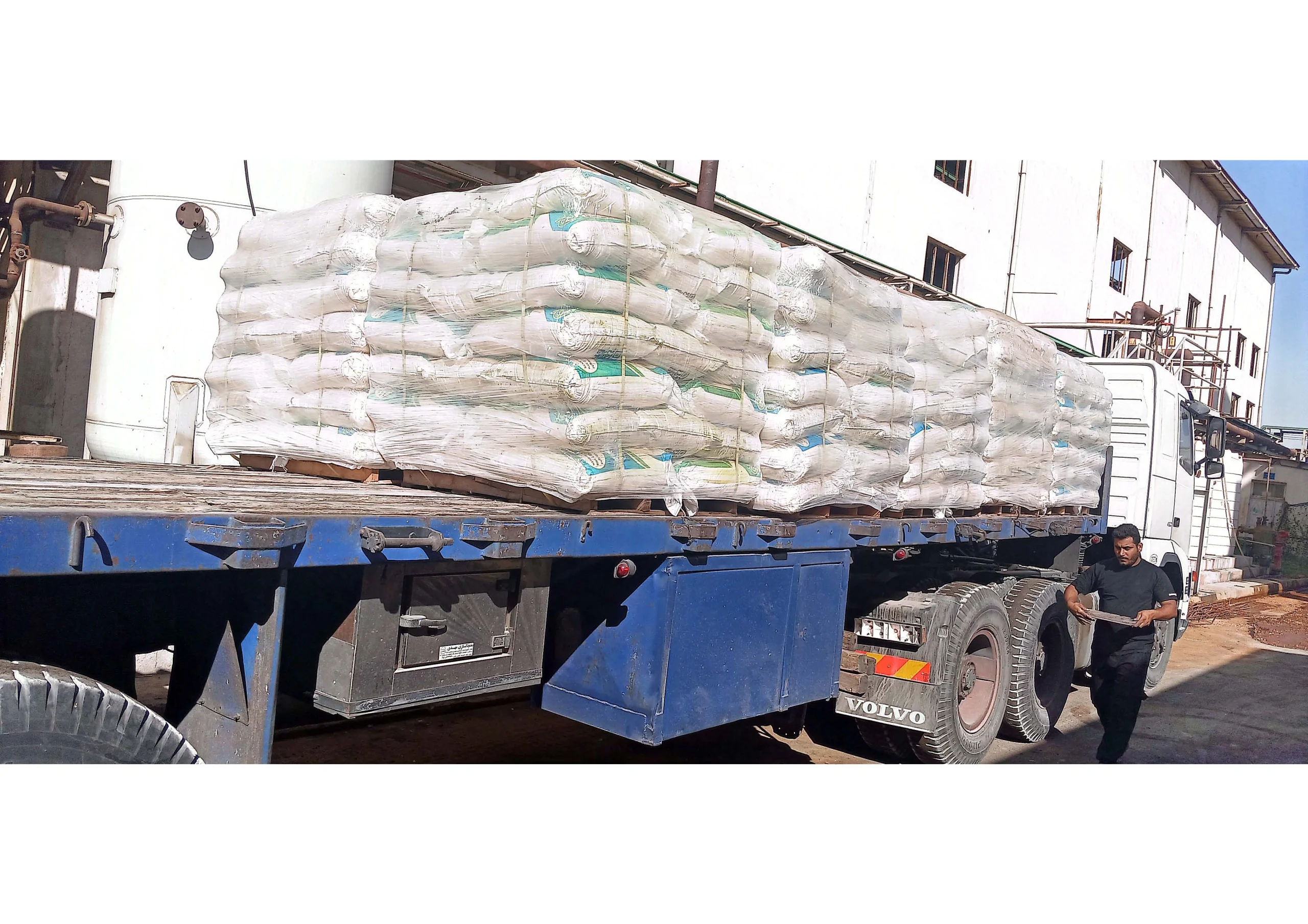
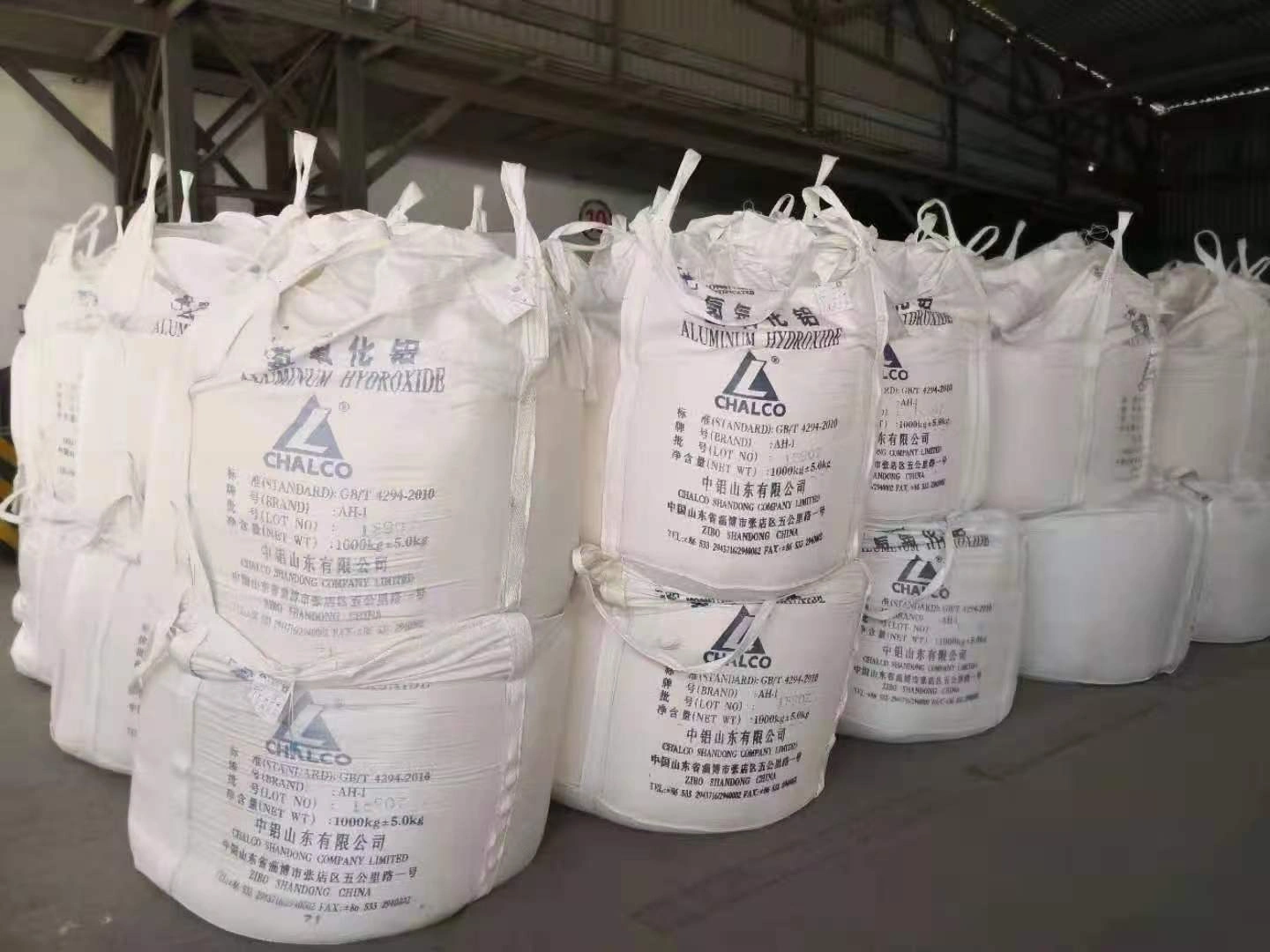
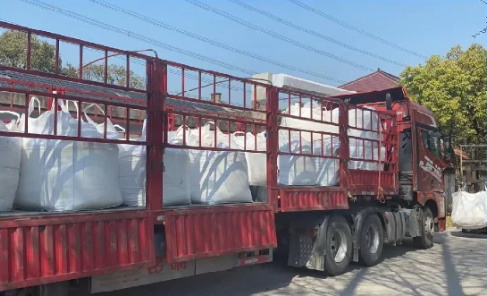
Storage Conditions: Store in multi-layer bags in a dry, cool warehouse.
Personal Protective Equipment (PPE): A P2 dust mask and safety goggles when decanting.
6. Quality Assurance & COA
Arnico PE Wax shipments are accompanied by a Certificate of Analysis (COA) detailing the drop point, viscosity, and needle penetration.