
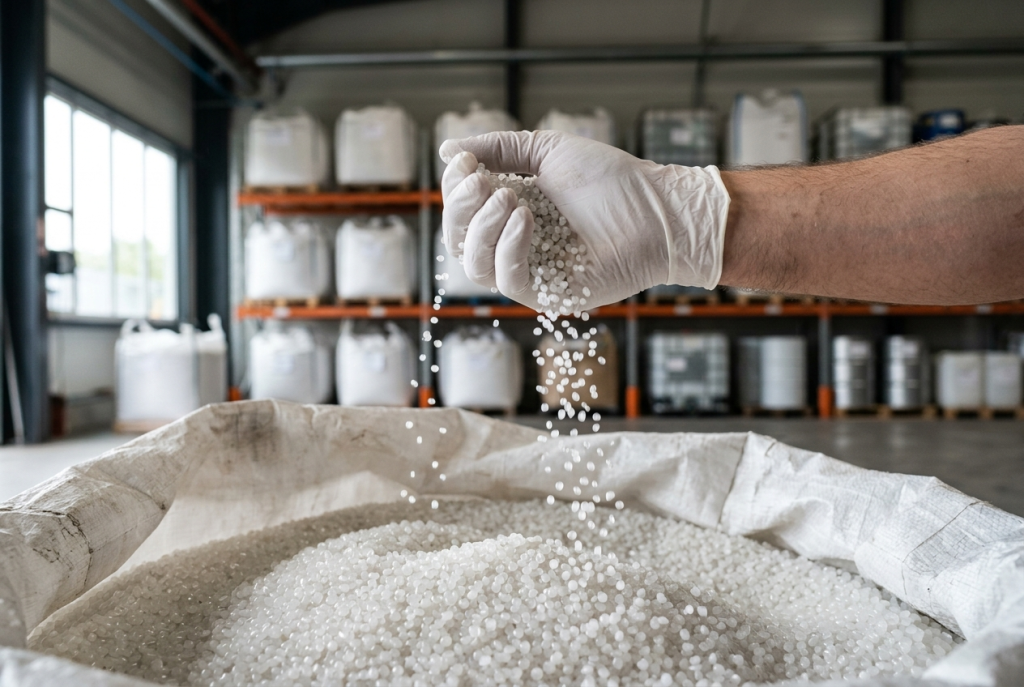
Sourcing chemical and petrochemical raw materials is more than a simple business transaction; it is the backbone and lifeblood of every manufacturing industry. From large refineries and parent petrochemicals to paint, detergent, fertilizer, and even food and pharmaceutical plants, they all depend on a stable, transparent, and reliable supply chain. But the reality is that purchasing chemicals can be a complex, risky, and even confusing process, especially for purchasing managers and factory owners who are new to the field.
The sharp fluctuation of global prices, the technical differences between different grades of a material (industrial, pharmaceutical, food), the complexities of logistics and transportation of hazardous materials, and most importantly, distinguishing a reputable supplier from a simple broker who is simply looking for a momentary profit, are challenges that every technical decision maker grapples with. A wrong choice can lead to a production line stop, damage to expensive equipment, or the production of a substandard product.
The goal of this guide is to take you step-by-step through all the technical and commercial aspects of sourcing chemical raw materials. From deciphering the concept of “grade” and analyzing a valid COA, to identifying professional suppliers and key points in negotiation, packaging, and shipping. If you are looking for a clear, scientific, and practical roadmap for smart purchasing, stay with us until the end of this article.
Chemical and Petrochemical Raw Materials: What They Are and Why Their Quality Matters
Chemical feedstocks are basic, processed compounds that are at the beginning of the supply chain for various industries. They can be in liquid (acids, solvents), solid (powders, granules, crystals) or gaseous (ammonia, chlorine, argon) form and are obtained from primary sources such as crude oil refining, natural gas, mines and even fermentation processes.
The critical importance of quality in purchasing chemicals cannot be overstated. Using a low-purity or wrong-grade feedstock is not just a risk; it can be an operational disaster. Imagine using sulfuric acid with iron impurities in the production of chemical fertilizers; the result would be a discoloration of the final product and an inability to compete in the market. Or using a solvent with an inappropriate boiling point in the formulation of an industrial paint, leading to sudden drying and cracking of the surface. Therefore, proper “purity” and “grade” are not a luxury choice, but a definite and unavoidable necessity for the survival of production.
Four main challenges for industries in supplying chemical raw materials
The process of sourcing chemical raw materials is accompanied by several structural obstacles that can directly target the profitability and sustainability of your business:
- Price volatility and market uncertainty: The price of petrochemical raw materials is directly dependent on the price of crude oil, exchange rates, geopolitical tensions and even the seasons. A smart purchasing strategy and long-term contracts can insure you against these fluctuations.
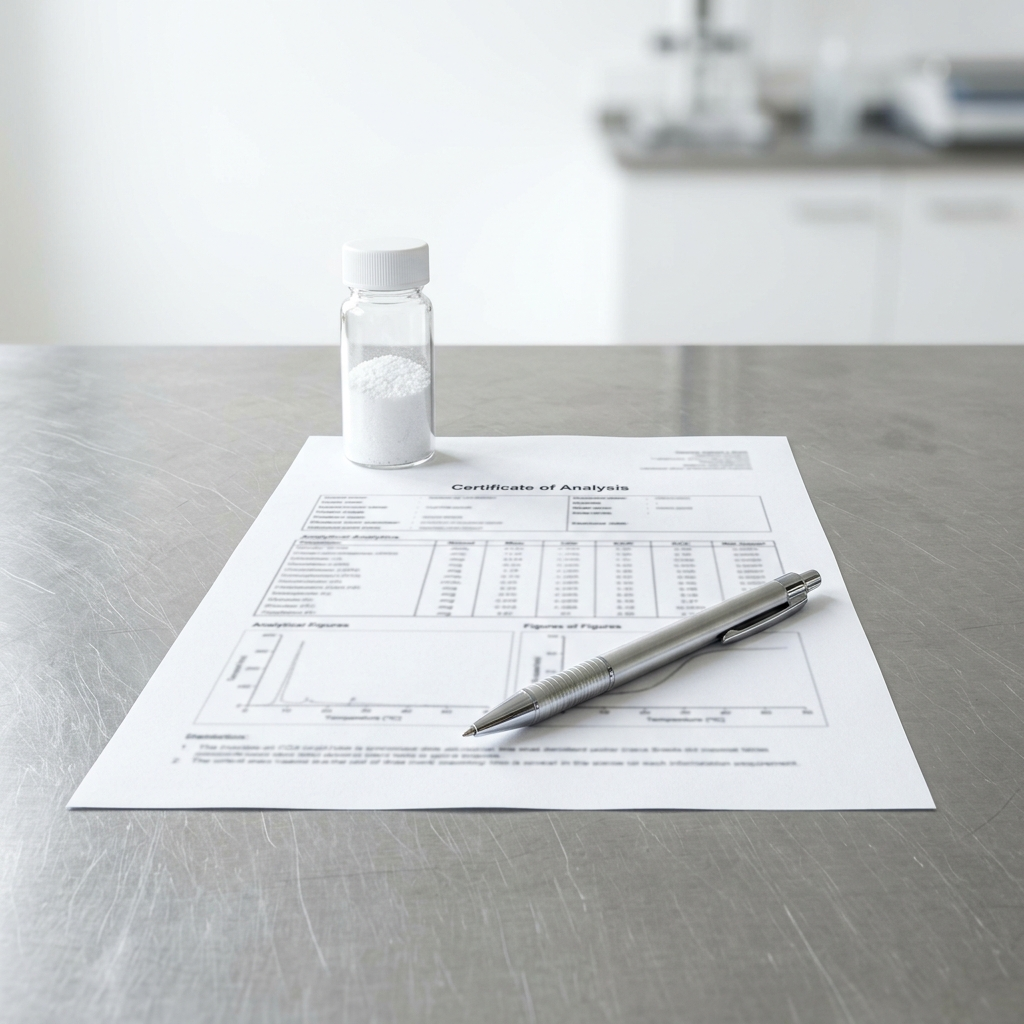
- The crisis of authenticity and supply of counterfeit materials: The chemical market, especially in turbulent regions, is facing the ominous phenomenon of the supply of counterfeit or recycled materials. Distinguishing an original material from a counterfeit sample is only possible through a supplier that provides a valid and reliable Certificate of Analysis (COA) from trusted laboratories.
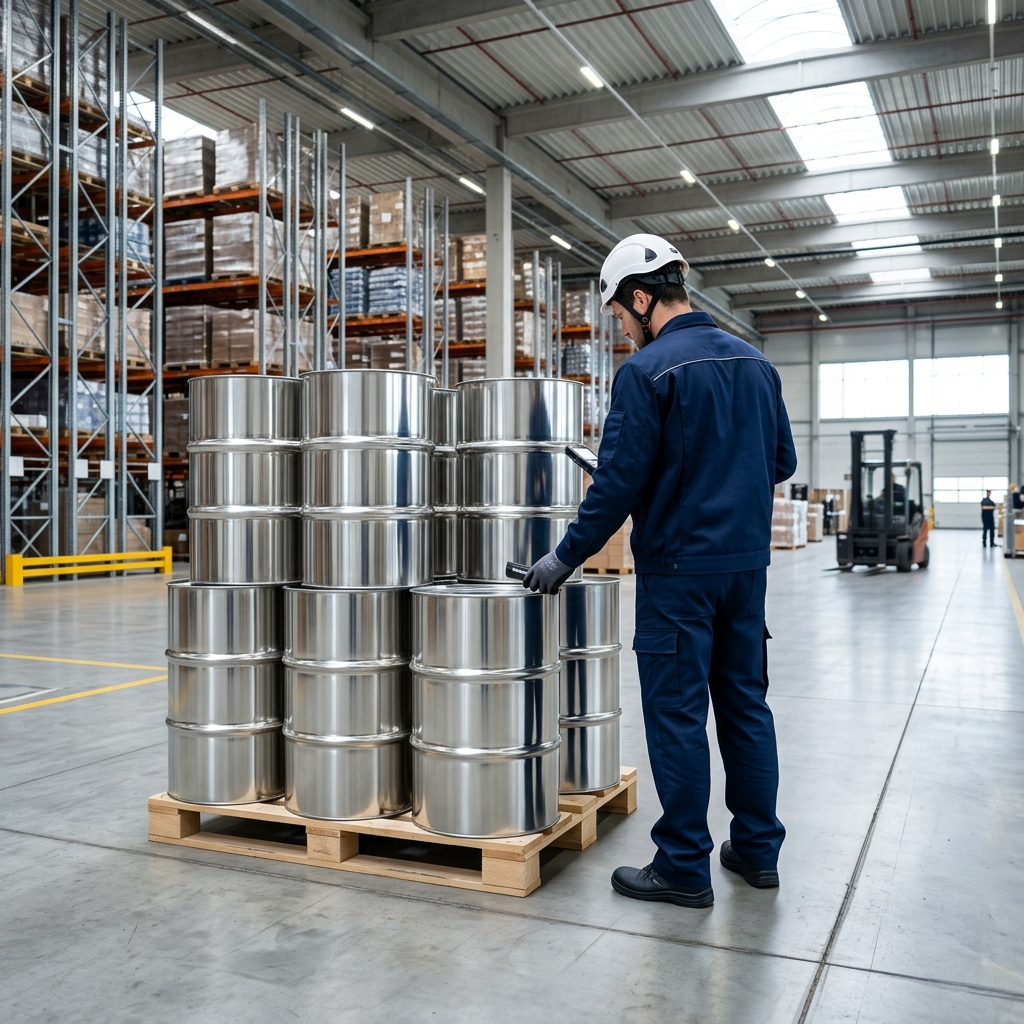
- Specialized logistics and transportation of hazardous materials: The transportation of hazardous chemicals (corrosive, flammable, toxic) is subject to strict international regulations (ADR/IMDG). Improper packaging, unauthorized shipping, or failure to ensure materials are compatible with each other can lead to irreparable safety incidents and serious criminal charges.
- Multiple suppliers and purchasing management confusion: Working with dozens of different vendors to source a complete basket of raw materials is a time-consuming, costly, and risk-prone process. A one-stop shop that can cover all your needs from a single, trusted channel will put an end to this confusion forever.
The most important chemicals and petrochemicals in high demand on the market
The chemical market is very broad, but some products are always at the top of demand in industries due to their wide and strategic use. Familiarity with these products will help you prioritize your purchases:
Acids & Alkalis: Such as sulfuric acid, hydrochloric acid, caustic soda and its soda, which are used in water treatment, textile industries, detergent production and food industries.
Polymers & Plastics: Such as polyethylene (PE), polypropylene (PP) and PVC, which form the basis of the packaging, pipe and household appliance industries.
Solvents: Such as methanol, acetone, xylene and white spirit, which are essential in the dyeing, printing and adhesive industries.
Fertilizers: Such as urea and diammonium phosphate (DAP), which play a vital role in modern agriculture and ensuring food security.
Petroleum Products and Fuels: Such as bitumen, diesel, fuel oil, and jet fuel, which account for a major portion of the export market.
Golden Checklist: What to consider when purchasing chemicals?
Before finalizing any chemical purchase, review this golden checklist to experience a safe, smart and regret-free purchase:
Request a Certificate of Analysis (COA): The most authoritative document to prove the purity and compliance of a substance with technical specifications (TDS). Each valid shipment must be provided with a COA specific to the same batch number.
Pay close attention to the product grade: Chemicals are offered in different grades (industrial, pharmaceutical, food, laboratory). The selected grade should be exactly suited to the sensitivity of your production process.
Compare prices and payment terms: Do not simply choose the cheapest price. Consider payment terms (credit, cash, LC), price stability over a period of time and product authenticity as key factors.
Standard packaging and labeling: Packaging should be standard and safe in accordance with the chemical nature of the product, and all hazard information and warning signs should be included on it.
Supplier’s track record and reputation: A reliable supplier is a reference that has consistent and loyal customers and can provide examples of its delivered projects to prove its logistical and quality capabilities.
Why is Arnico a smart choice for your chemical supply?
In the complex and volatile chemical market, you need a partner who is not just a seller, but also a technical advisor and a reliable operational pillar. With over a decade of brilliant experience in the supply, distribution and trading of chemical raw materials, petrochemicals and petroleum products, Arniko was formed precisely on this philosophy. With an extensive global supply network, strong logistics and a team of technical experts, we turn your chemical raw material sourcing process from a risky challenge into a competitive advantage.
At arnico , we believe in transparency. That is why we provide a valid Certificate of Analysis (COA) for all our shipments, ensuring that the delivered product exactly matches your prototype and requested technical specifications. Our product catalog includes over a hundred types of raw materials in various grades, from solvents and base oils to polymers and chemical fertilizers. Our goal is to become your only trusted business partner in this field by providing dedicated packaging services, safe transportation, and free technical advice.
Purchasing chemicals and the sensitive process of sourcing chemical raw materials is not just a business decision; it is a technical, strategic and operational decision that requires expertise, precision and the selection of the right business partner. By properly understanding your technical needs, knowing the different grades, and working with a reputable supplier who prioritizes transparency and quality, you can secure your production chain against market fluctuations and ensure the quality and authenticity of your final product.
If you are looking for a free expert consultation on raw material selection, obtaining a Certificate of Analysis (COA), or inquiring about up-to-date prices for petrochemical and chemical products, contact Arniko’s technical experts today.