1. Product Introduction & Main Application
Arnico’s Suspension PVC (S-PVC) is a white powder with a porous, irregular particle morphology, produced from the suspension polymerization of Vinyl Chloride Monomer (VCM) in water, and represents over 85% of the world’s PVC production. This primary grade is the base material for the production of rigid and flexible pipes, construction profiles, films, cables, and floor coverings.
2. Technical Specifications
| Technical Parameter | Rigid Pipe Grade (K67) | Flexible Cable Grade (K70) | Unit |
|---|---|---|---|
| K-Value | 66 – 68 | 69 – 71 | – |
| Bulk Density | 0.55 – 0.62 | 0.50 – 0.55 | g/cm³ |
| Particle Size Distribution (> 63 µm) | ≥ 97 | ≥ 95 | % |
| Plasticizer Absorption (CPA) | 20 – 25 | 28 – 35 | % |
| Volatile Matter | ≤ 0.3 | ≤ 0.3 | % |
| Residual VCM | ≤ 1 | ≤ 1 | ppm |
3. Features & Benefits
Controlled Porosity & Fast Additive Absorption: A quick and homogeneous dry blend is formed with plasticizers, stabilizers, and lubricants.
Diverse K-Values: K67 is engineered for pressure pipes (high mechanical resistance), while K70 is tailored for cables (flexibility and superior plasticizer uptake).
Excellent Flowability: High bulk density makes pneumatic transport and feeding of extruders easy and fast.
Purity & Thermal Stability: Minimum fish-eye defects in the final product.
4. Industrial Applications
PVC Pipes: Municipal water pipes, building sewage pipes, and high-pressure pipes.
Profiles & Fittings: UPVC window and door profiles and injection-molded fittings.
Cables & Wires: Insulation and sheathing for flexible cables.
Film & Flooring: Packaging films and roll flooring.
5. Safety & Handling
MSDS (Material Safety Data Sheet): The powder is non-toxic. Its dust is an irritant. The Arnico MSDS file must be obtained.
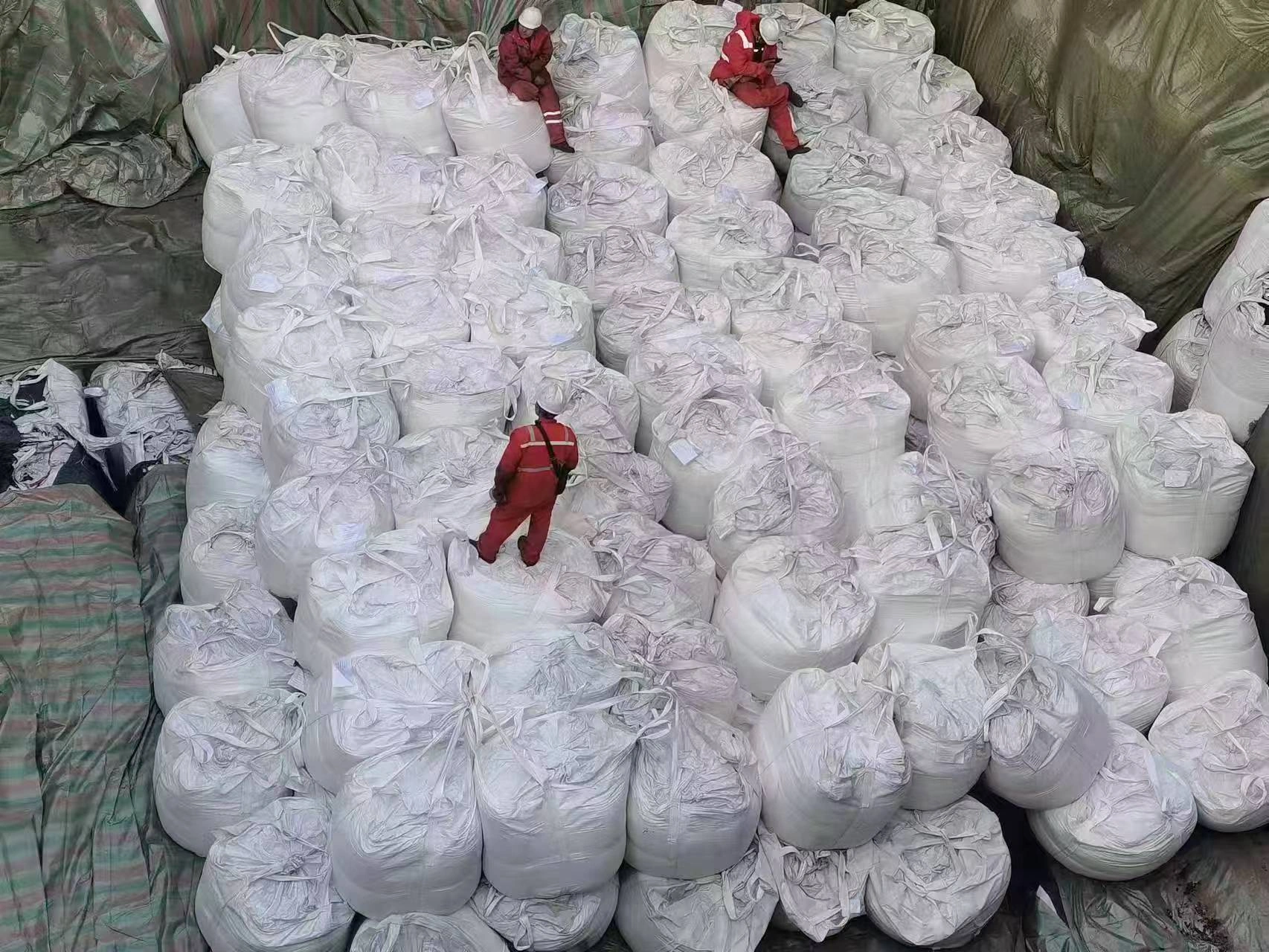
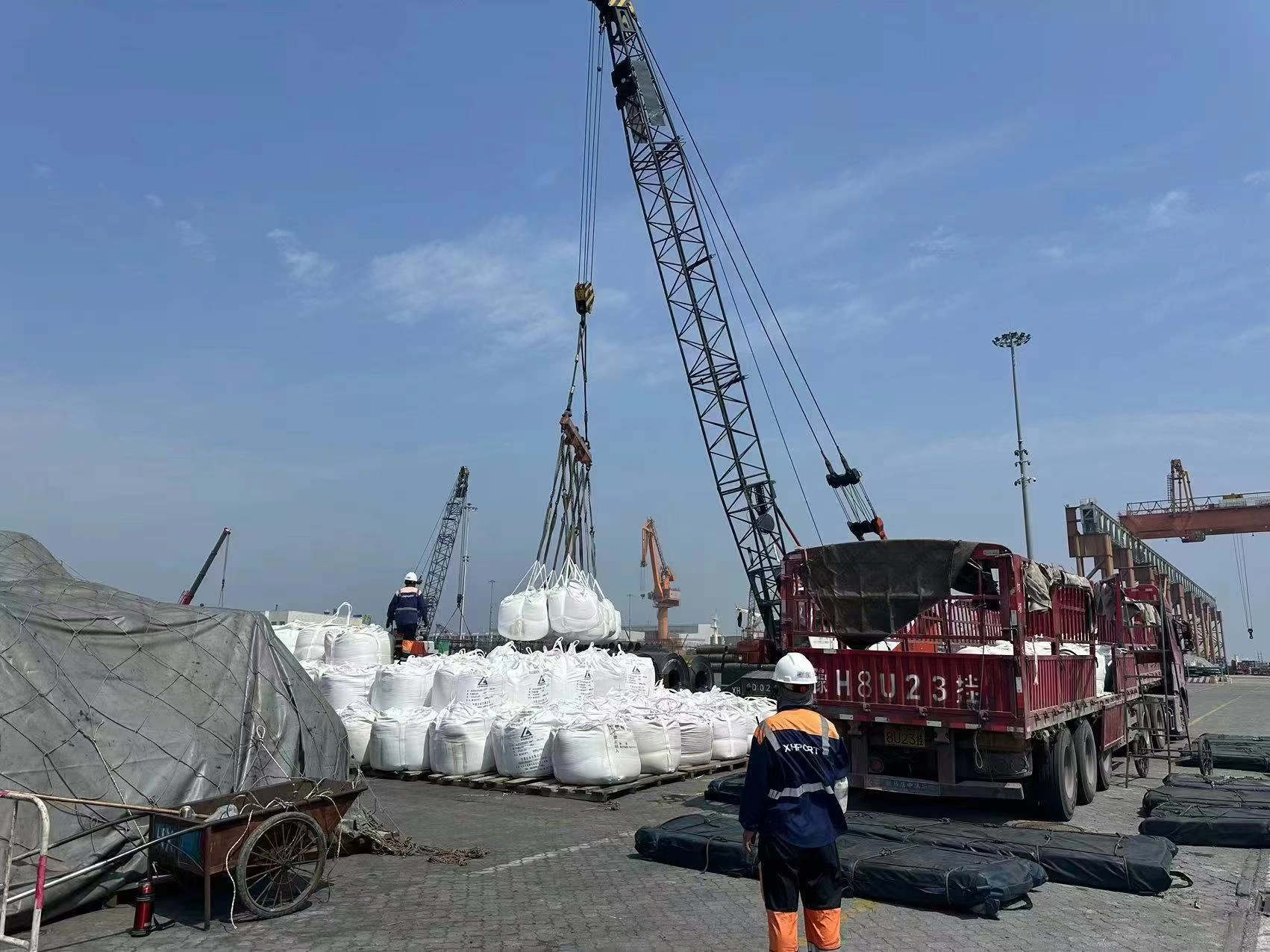
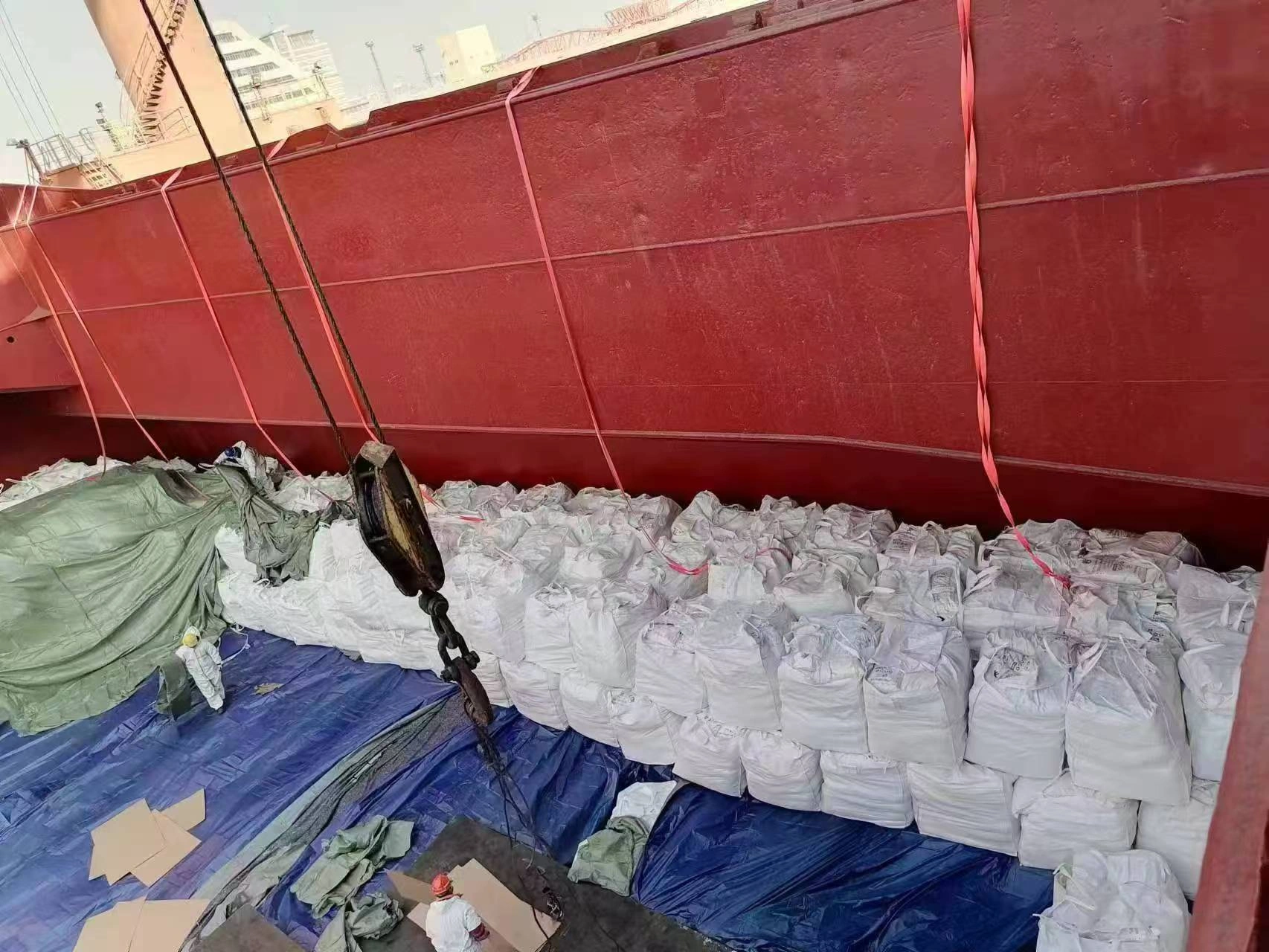
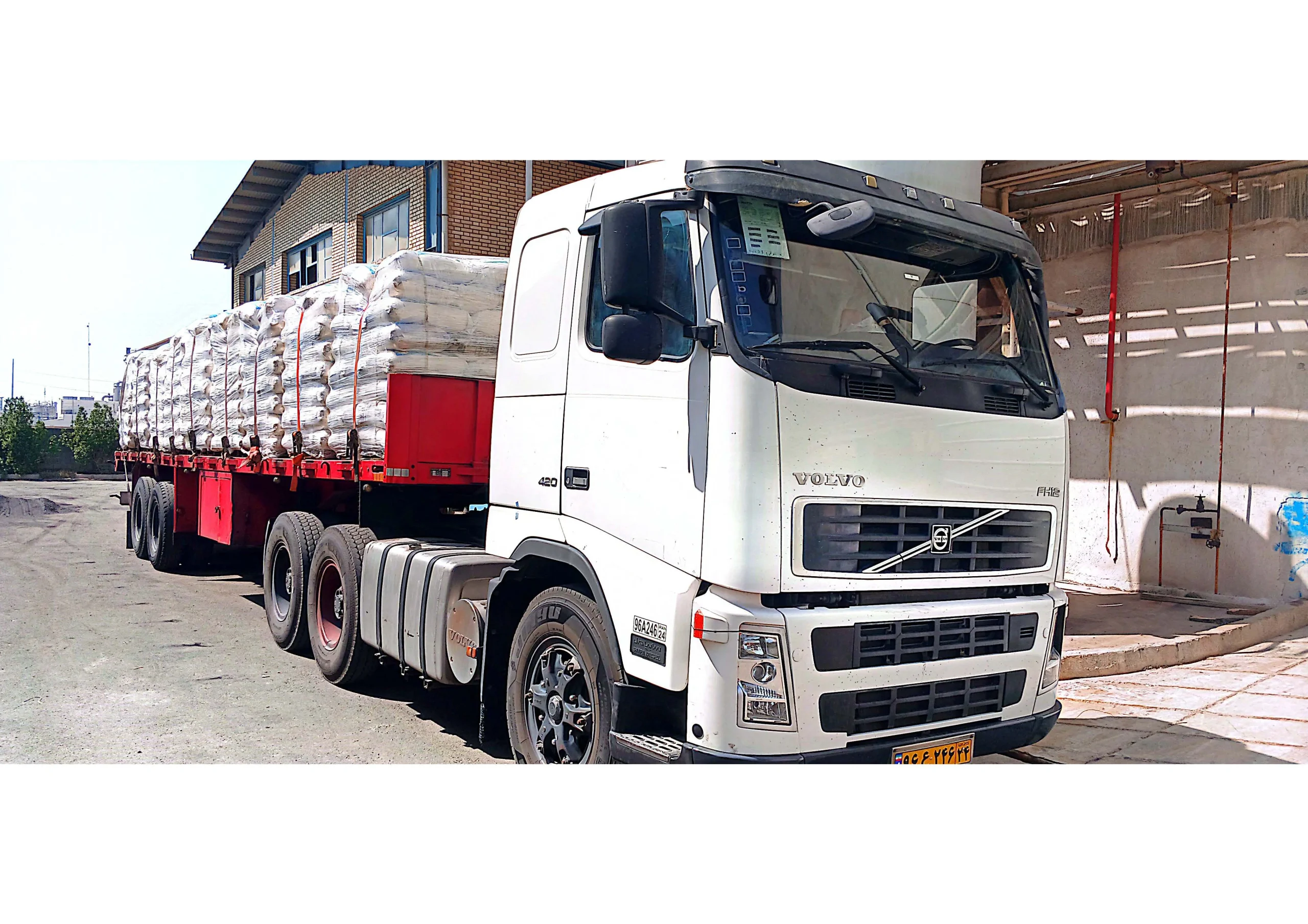
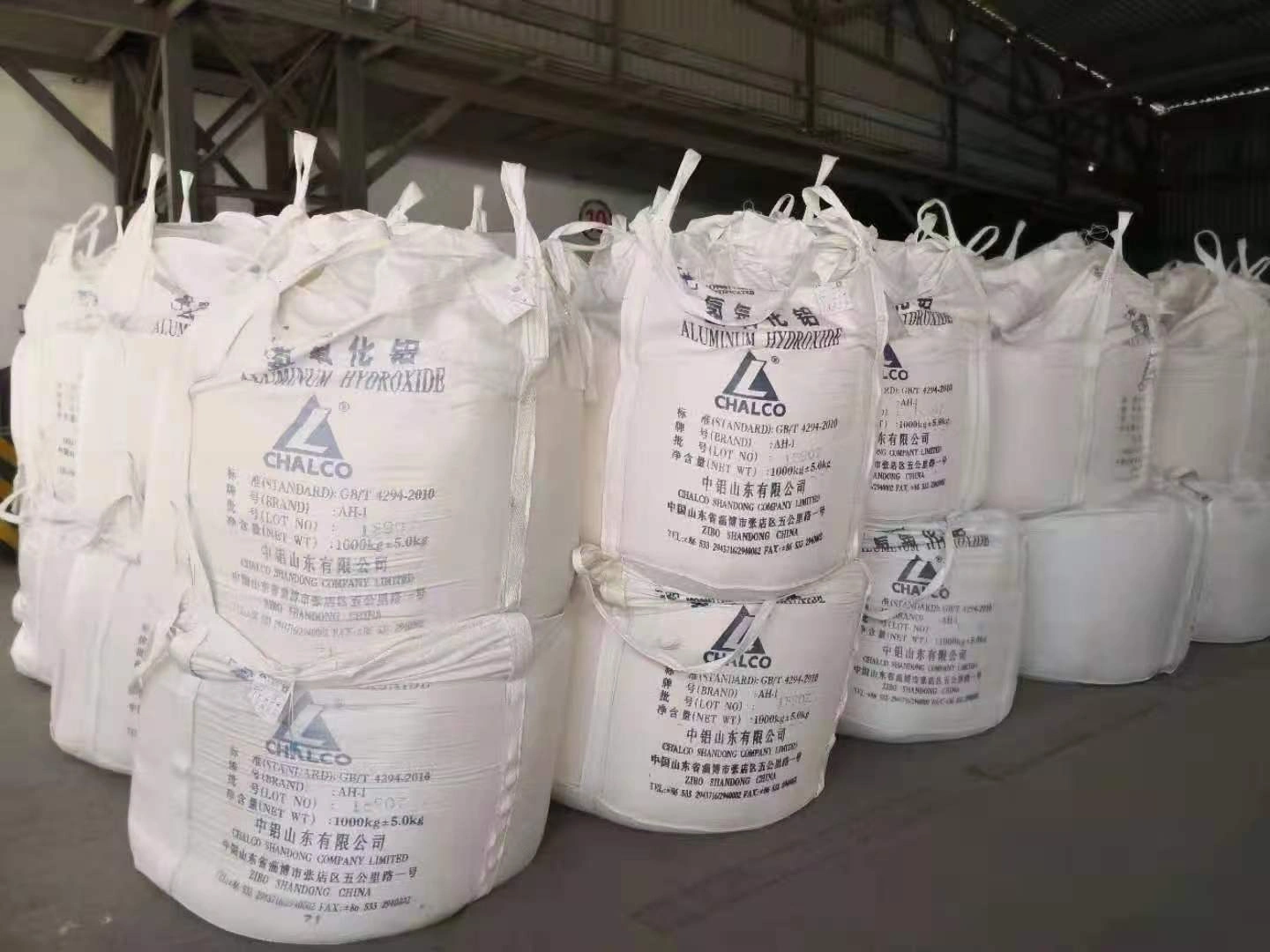
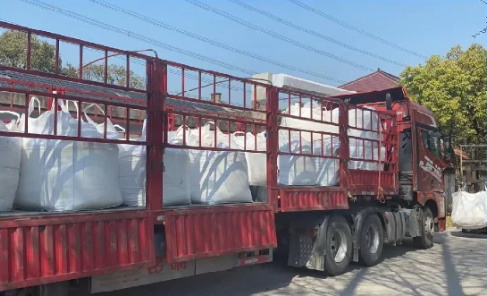
Storage Conditions: Store in big bags in a covered, dry, and cool warehouse.
Personal Protective Equipment (PPE): A P2 mask and safety goggles are recommended.
6. Quality Assurance & COA
Arnico S-PVC shipments are accompanied by a Certificate of Analysis (COA) detailing the K-Value and plasticizer absorption.