1. Product Introduction & Main Application
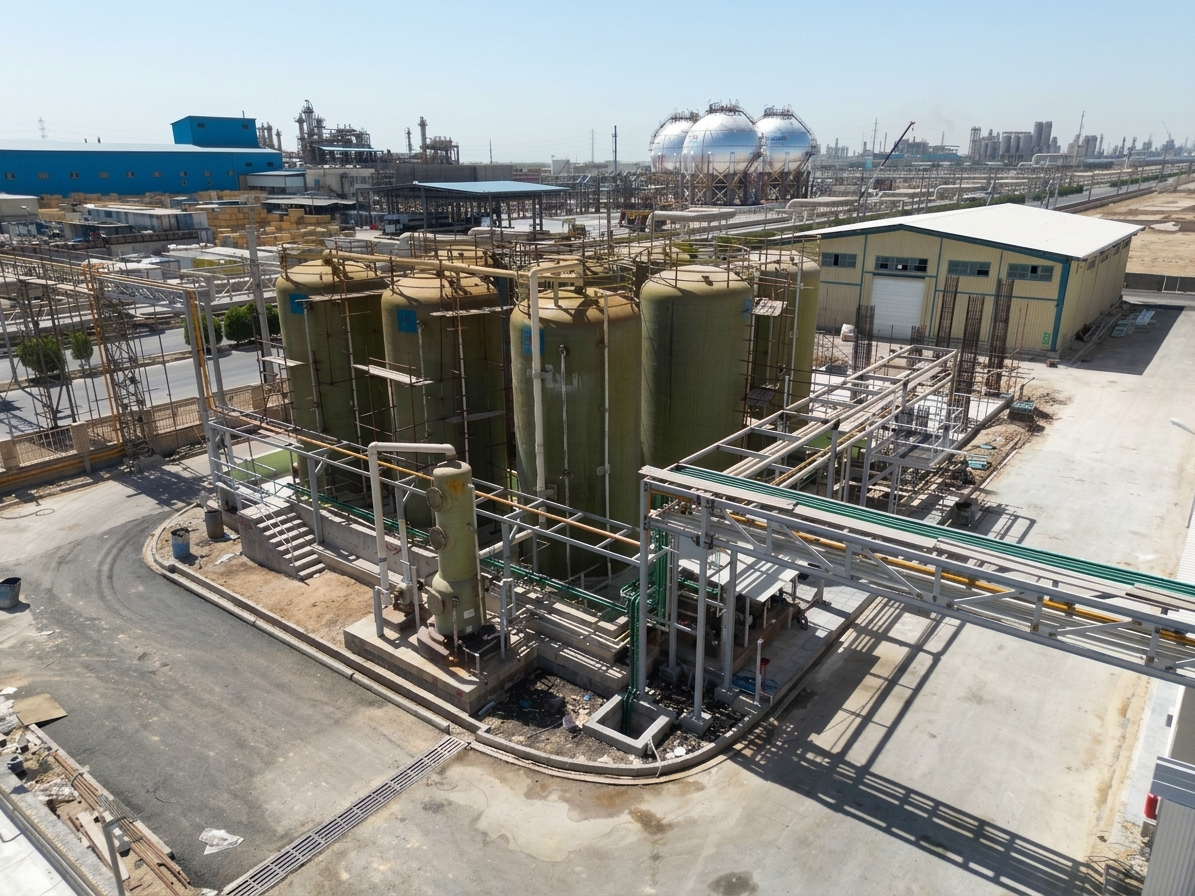
Arnico’s Bisphenol A (BPA) is an organic crystalline compound, white in color and of very high purity (above 99.9%), produced by the condensation reaction of two moles of phenol with one mole of acetone in the presence of an acid catalyst. This substance acts as the fundamental and strategic monomer, forming the backbone of two major global polymer families: transparent, high-impact polycarbonate (PC) and high-adhesion, chemically resistant epoxy resins.
2. Technical Specifications
| Technical Parameter | Polycarbonate Grade (PC Grade) | Liquid Epoxy Grade | Unit |
|---|---|---|---|
| Purity (GC) | ≥ 99.95 | ≥ 99.85 | % |
| Melting Point | 156.5 – 158.0 | 155.0 – 157.0 | °C |
| Color in Melt (APHA) | ≤ 5 | ≤ 15 | Pt-Co |
| Free Phenol | ≤ 20 | ≤ 50 | ppm |
| 2,4′-BPA Isomer | ≤ 100 | ≤ 300 | ppm |
| Iron (Fe) | ≤ 0.2 | ≤ 0.5 | ppm |
| Water (KF) | ≤ 0.1 | ≤ 0.2 | % |
| Ash | ≤ 5 | ≤ 10 | ppm |
3. Features & Benefits
Exceptional Optical Purity (PC Grade): The lowest level of unwanted isomers and color impurities, leading to the production of polycarbonate with flawless clarity and an excellent refractive index.
Complete Reactivity with Phosgene: A linear and symmetrical molecular structure facilitates interfacial polymerization, creating a polymer with a uniform molecular weight distribution.
Thermal Stability of the Melt: Resistant to degradation and discoloration at the high temperatures of the polycarbonate injection molding process.
Adhesion & Chemical Resistance in Epoxy: Creates a dense, cross-linked network, resistant to solvents, acids, and bases.
4. Industrial Applications
Polycarbonate Production: Eyeglass lenses, bulletproof glass, compact discs (CD/DVD), electronic components, and automotive headlamps.
Epoxy Resin Production: Protective coatings for oil and gas pipelines, industrial flooring, aerospace engineering adhesives, and wind turbine blades.
Specialty Polymers: Polysulfones and polyetherimides for medical and high-temperature applications.
Thermal Paper: As a color developer (with health restrictions in some regions).
5. Safety & Handling
MSDS (Material Safety Data Sheet): BPA dust is an irritant to the skin, eyes, and respiratory tract. This substance is on the European Union’s Substances of Very High Concern (SVHC) candidate list. The Arnico MSDS file must be obtained.
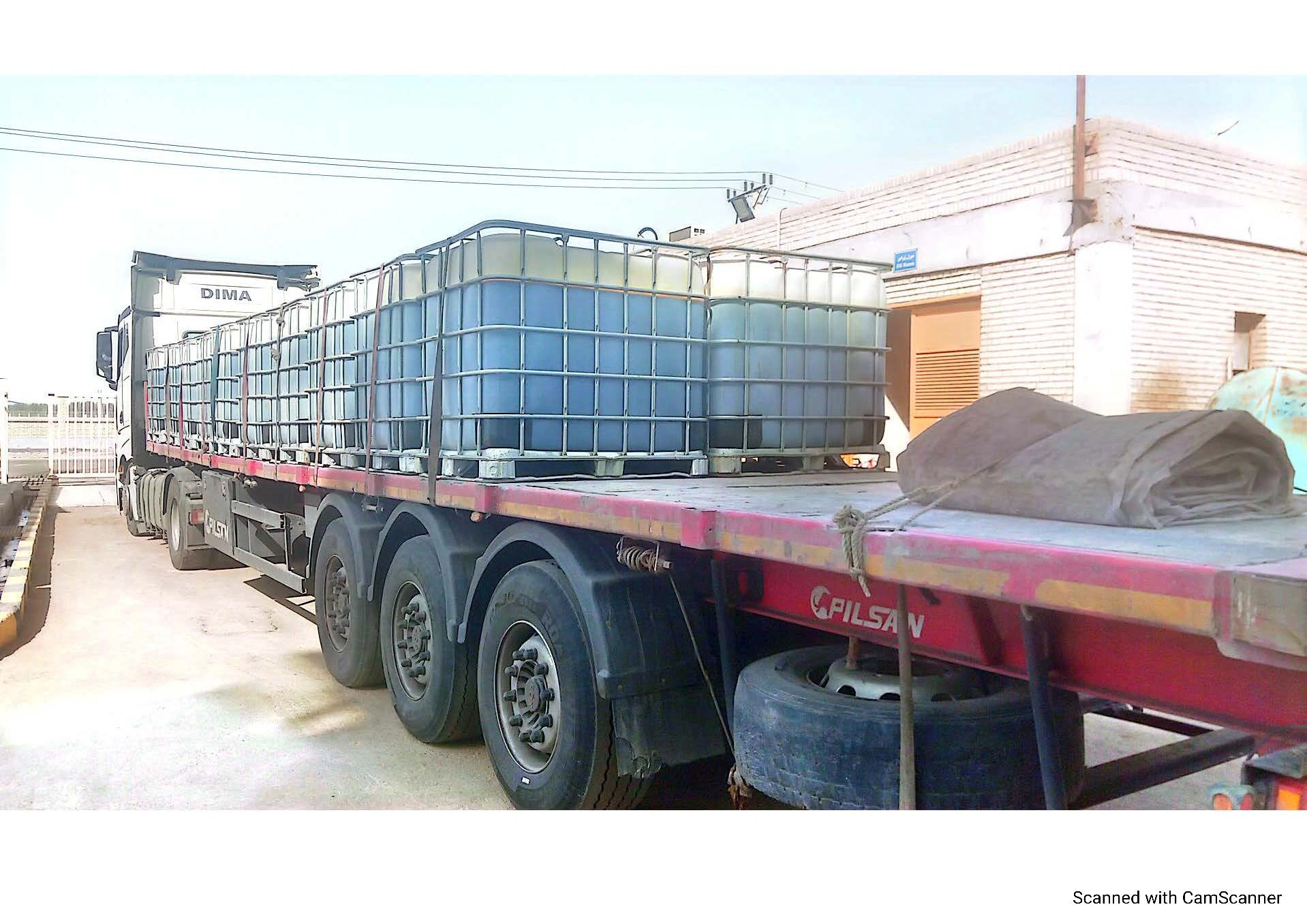
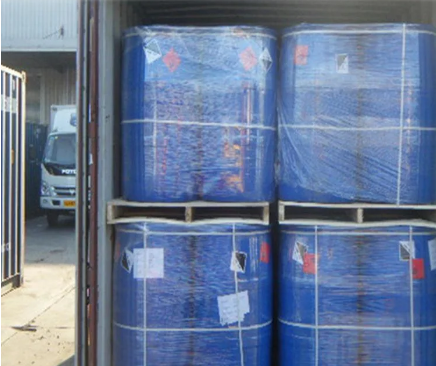
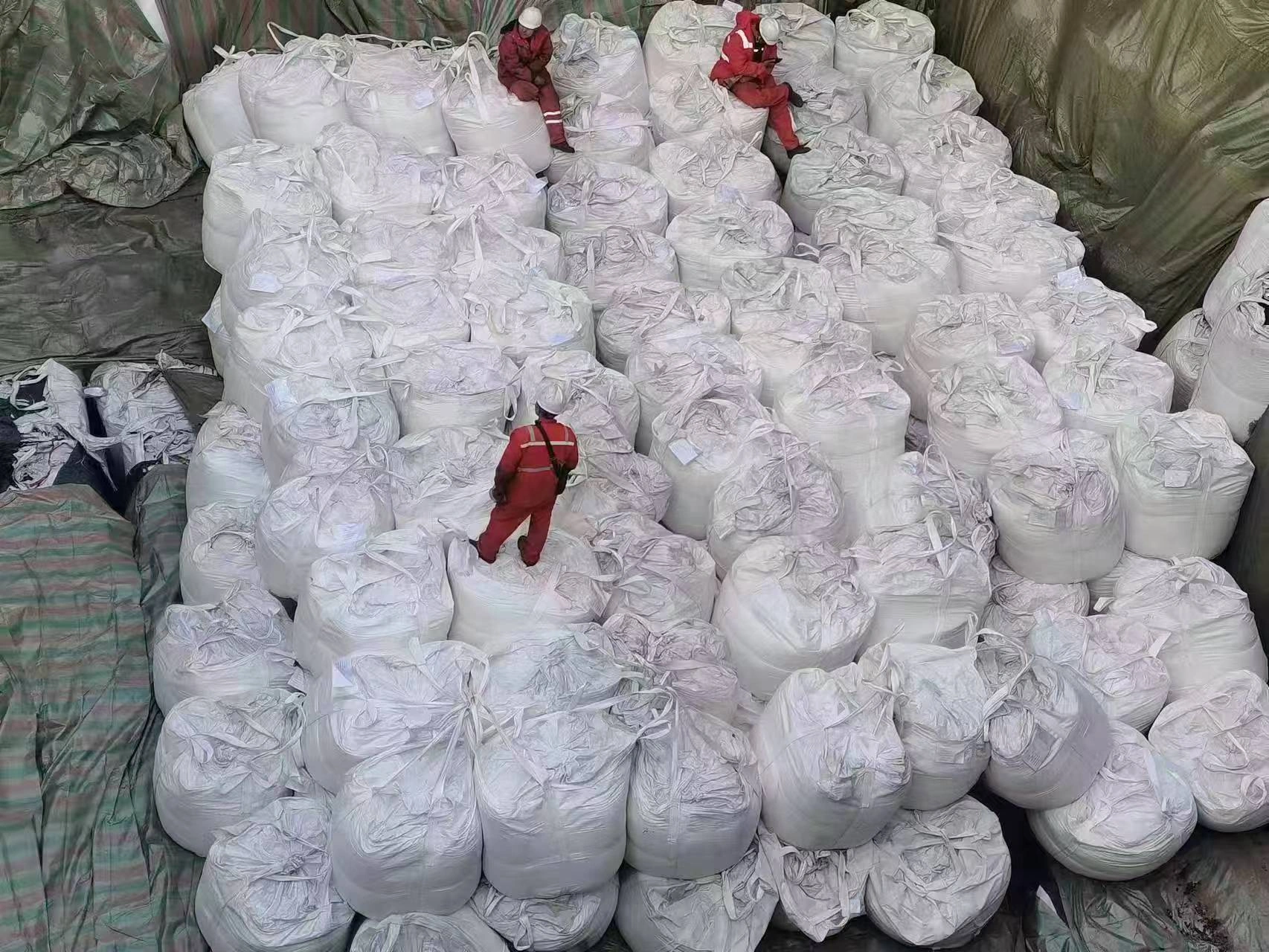
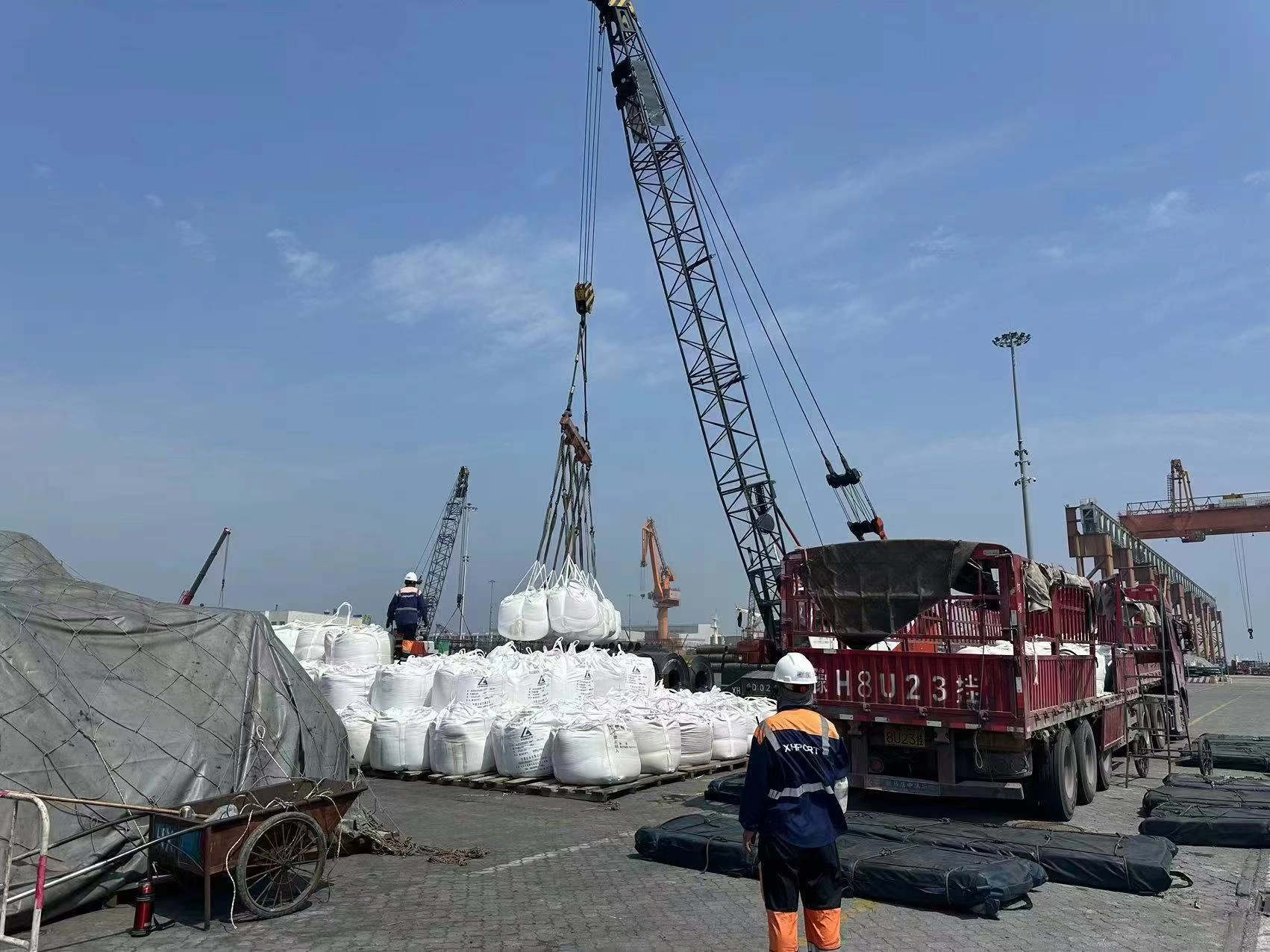
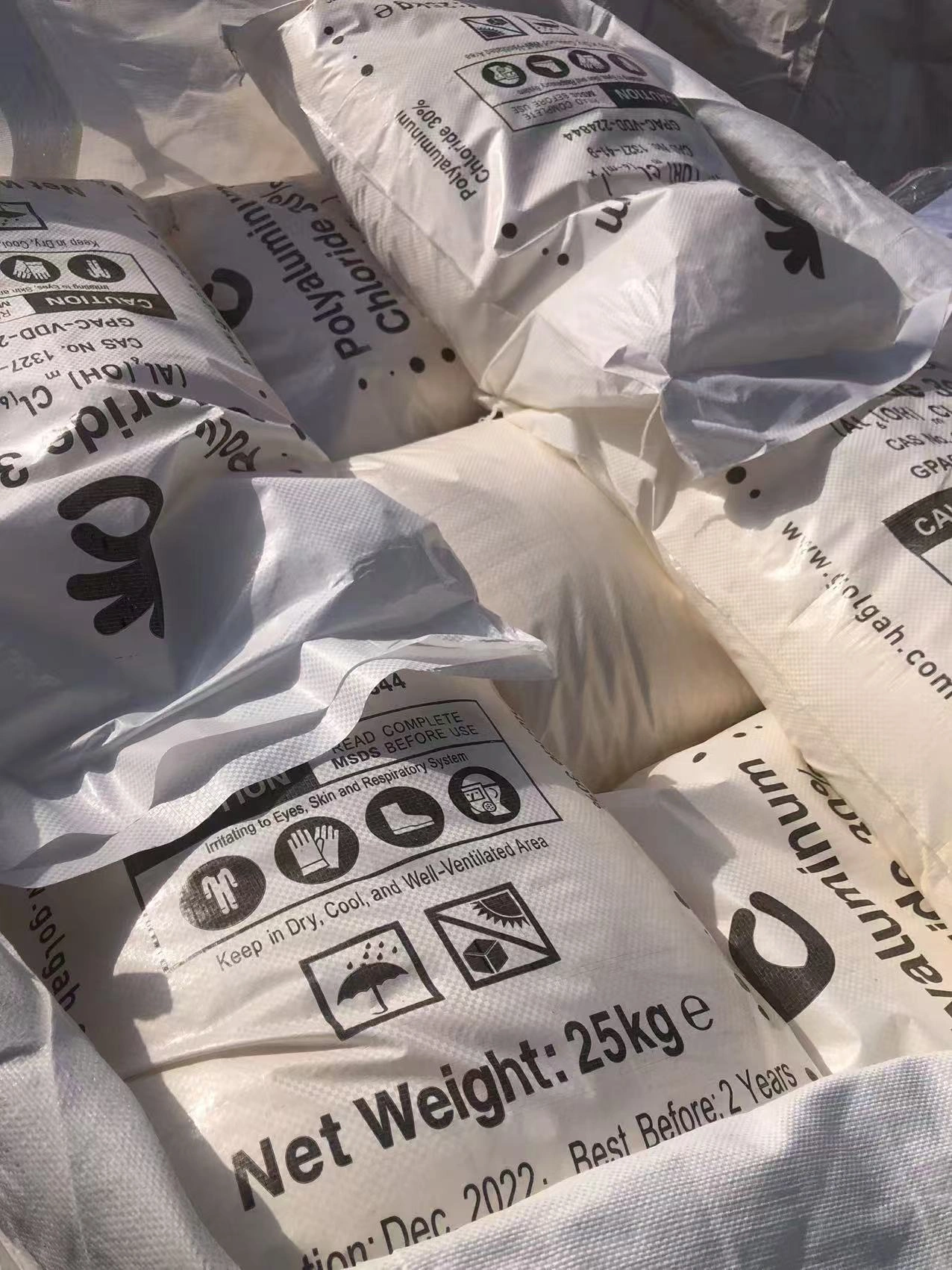
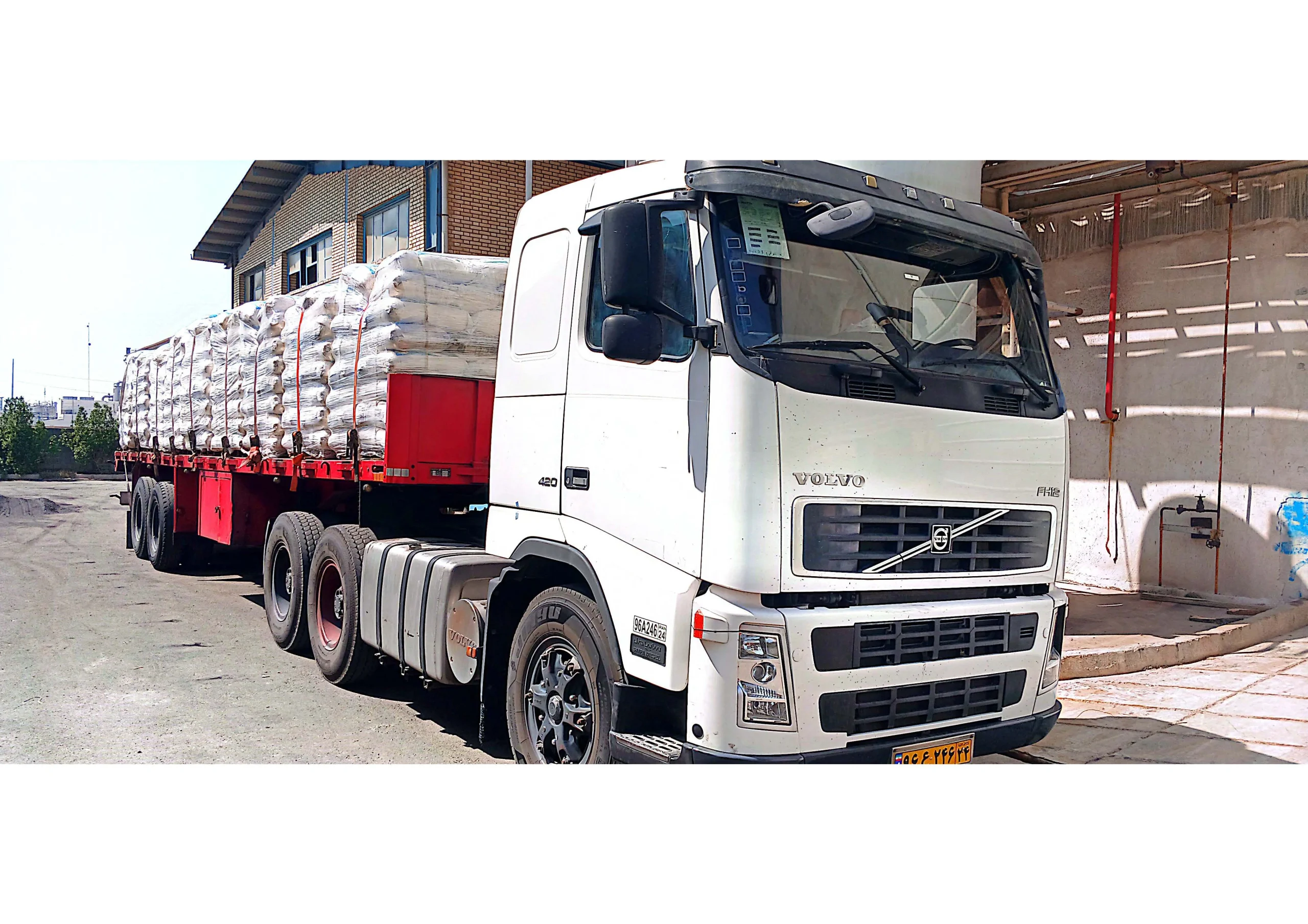
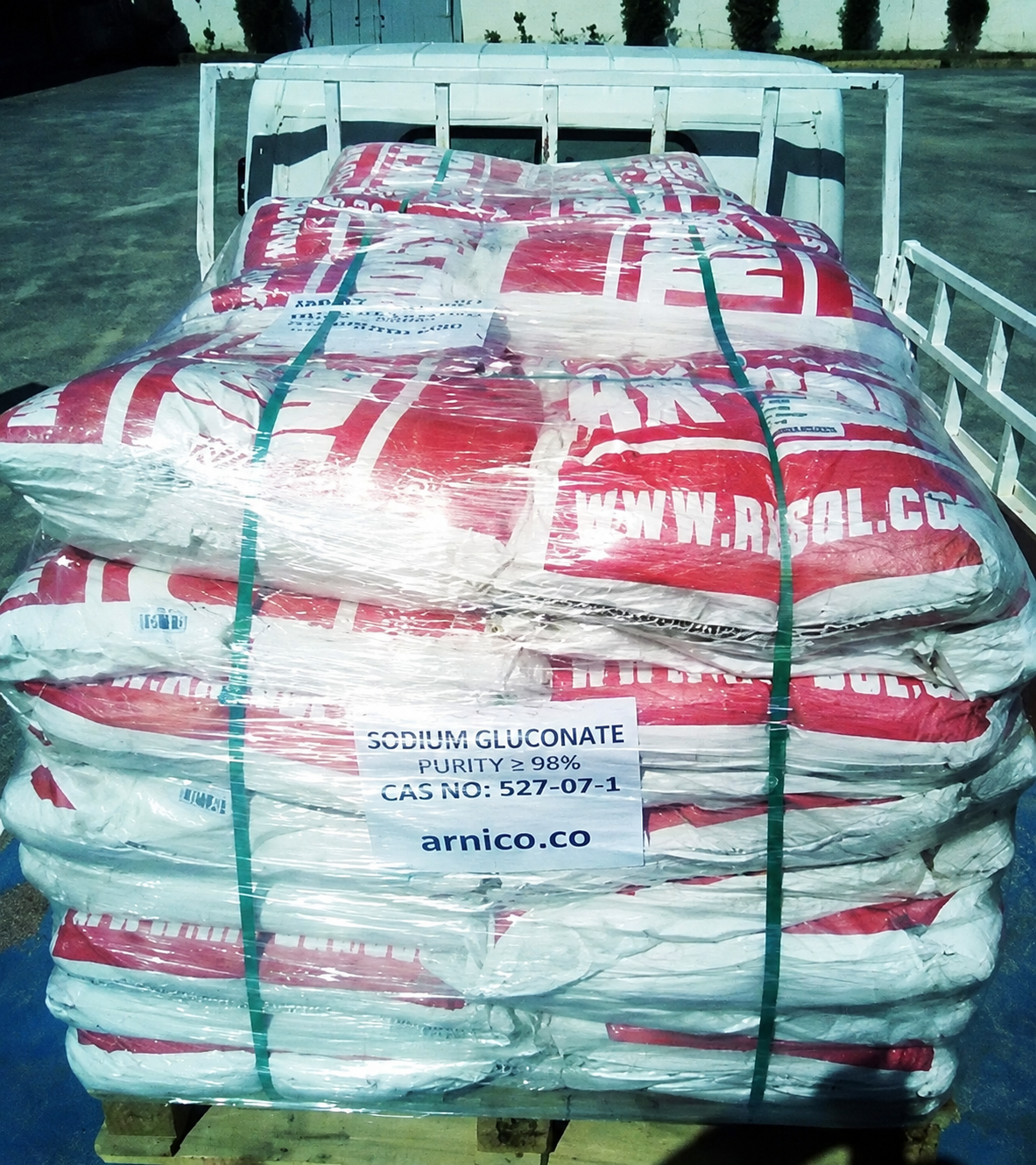
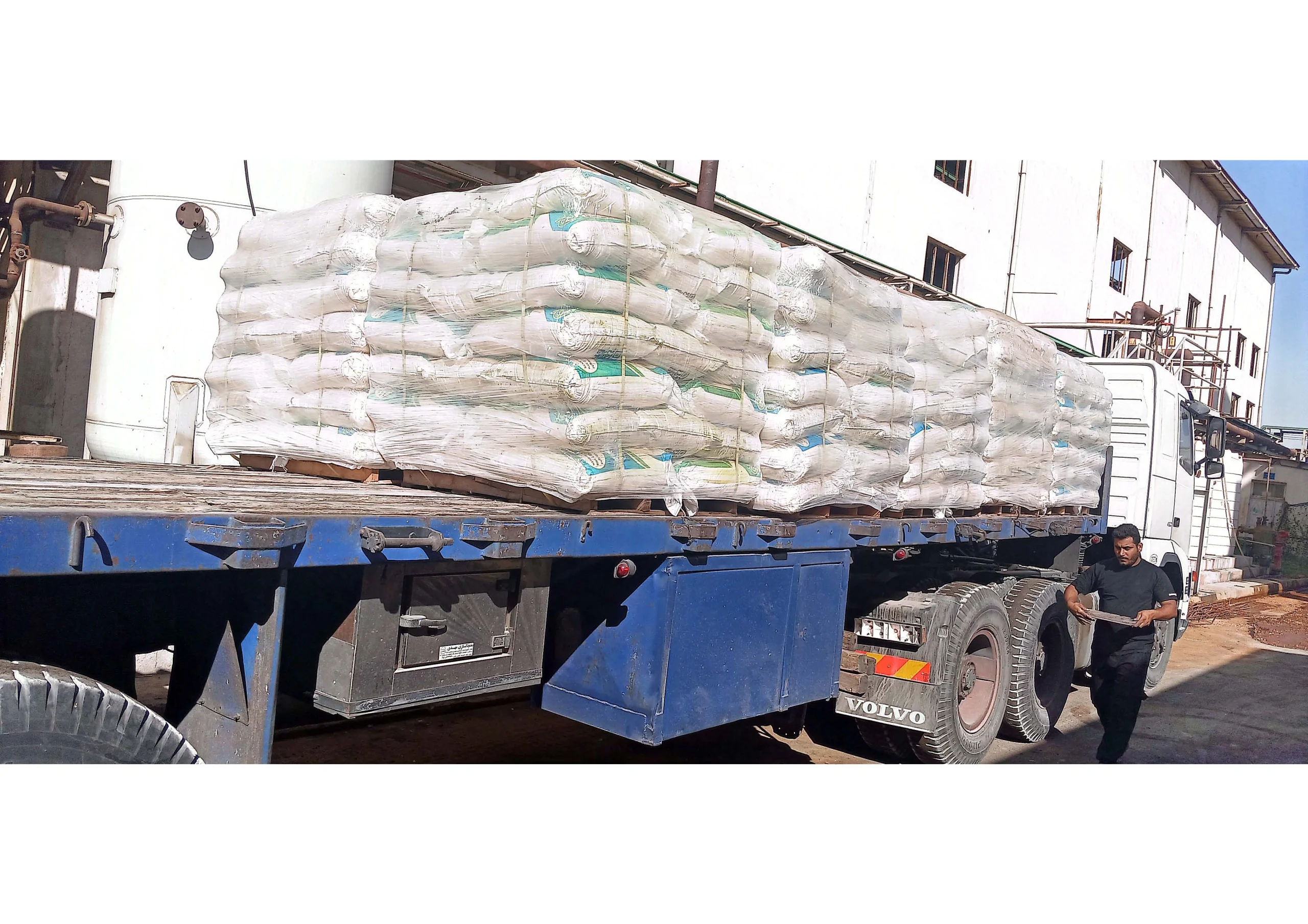
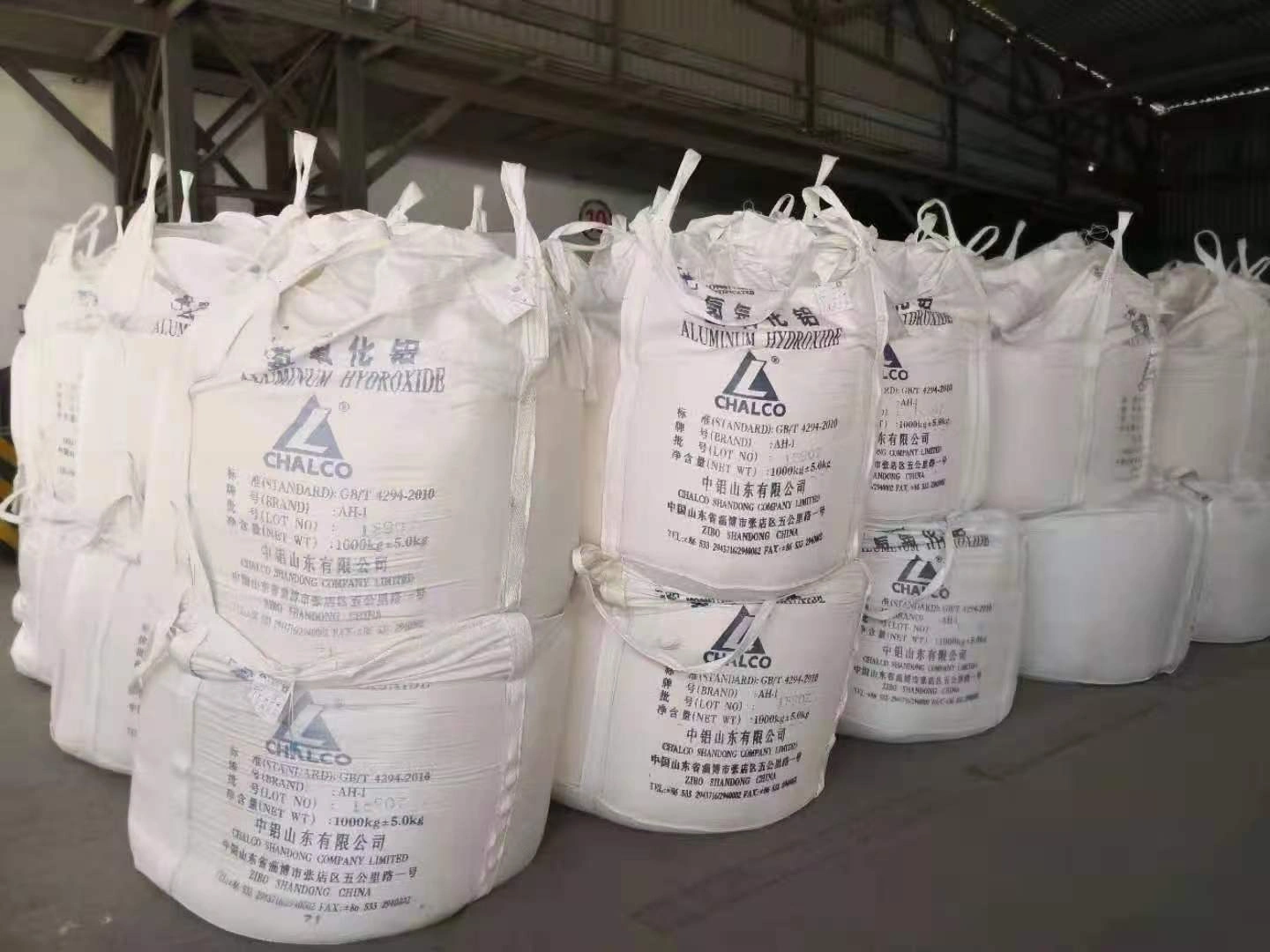
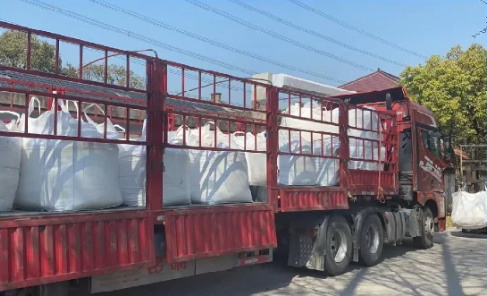
Storage Conditions: Store in multi-layer paper bags or big bags, in a covered, dry, and cool warehouse (below 40°C), away from direct sunlight and moisture.
Personal Protective Equipment (PPE): When decanting and handling the powder, the use of a P2/N95 respirator, protective safety goggles, and chemical-resistant gloves is mandatory.
6. Quality Assurance & COA
All Arnico Bisphenol A shipments are accompanied by a Certificate of Analysis (COA) detailing the GC purity, exact melting point, and unwanted isomer analysis.