1. Product Introduction & Main Application
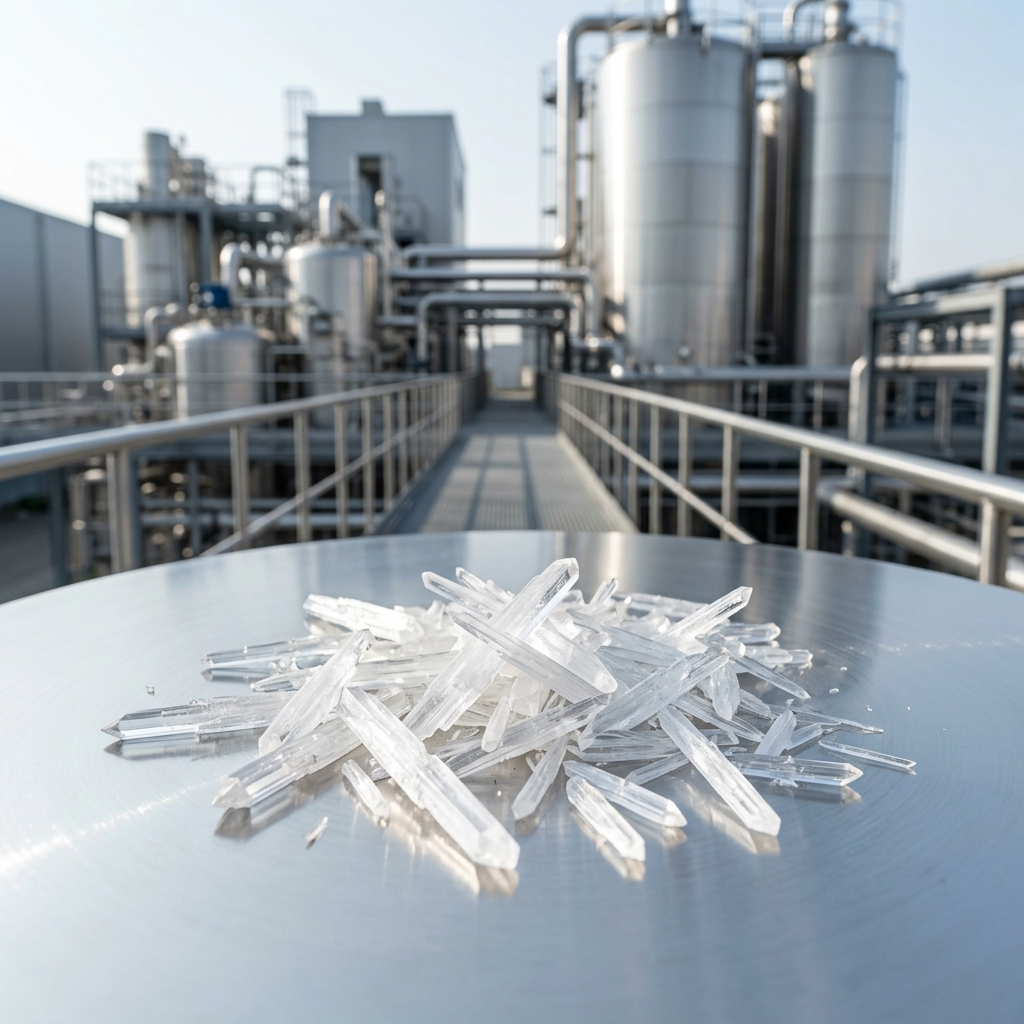
Arnico’s Bisphenol A (BPA) is a white, crystalline solid produced from the condensation of phenol and acetone in the presence of an acid catalyst. This substance is the primary and irreplaceable monomer for the production of polycarbonate (used in bulletproof glass, CDs, and automotive parts) and epoxy resins (used in protective paints, high-strength adhesives, and laminates), representing one of the most widely used intermediate chemicals in the world.
2. Technical Specifications
| Technical Parameter | Polycarbonate Grade (PC Grade) | Epoxy Grade | Unit |
|---|---|---|---|
| Purity | ≥ 99.95 | ≥ 99.85 | % |
| Melting Point | 156 – 158 | 155 – 158 | °C |
| Color (APHA, 50% Solution) | ≤ 5 | ≤ 15 | Pt-Co |
| Free Phenol | ≤ 20 | ≤ 50 | ppm |
| 2,4′-BPA Isomer | ≤ 100 | ≤ 300 | ppm |
| Iron (Fe) | ≤ 0.2 | ≤ 0.5 | ppm |
| Water | ≤ 0.1 | ≤ 0.2 | % |
3. Features & Benefits
-
Exceptional Optical Purity (PC Grade): A very low level of unwanted isomers and color impurities guarantees the flawless transparency of the final polycarbonate.
-
Complete Reactivity with Phosgene: The ideal diphenolic structure for interfacial polymerization, producing a high molecular weight polymer.
-
Strong Cross-linking in Epoxy: The hydroxyl groups react with epichlorohydrin to create resins with excellent adhesion and chemical resistance.
-
Thermal Stability of the Melt: Resistant to degradation at the high temperatures of polycarbonate injection and production processes.
4. Industrial Applications
-
Polymer Industry: The production of polycarbonate granulate (safety glass, compact discs, electronic components).
-
Paint & Coatings Industry: The base for liquid and powder epoxy resins for coating pipelines, ship hulls, and industrial flooring.
-
Engineering Adhesives: High-strength, two-component epoxy adhesives.
-
Thermal Paper: A color developer in sales receipts (with newer restrictions in place).
5. Safety & Handling
-
MSDS (Material Safety Data Sheet): This material is a skin, eye, and respiratory tract irritant. Its dust is an allergen and is on the Substances of Very High Concern (SVHC) candidate list. The Arnico MSDS file must be obtained.
-
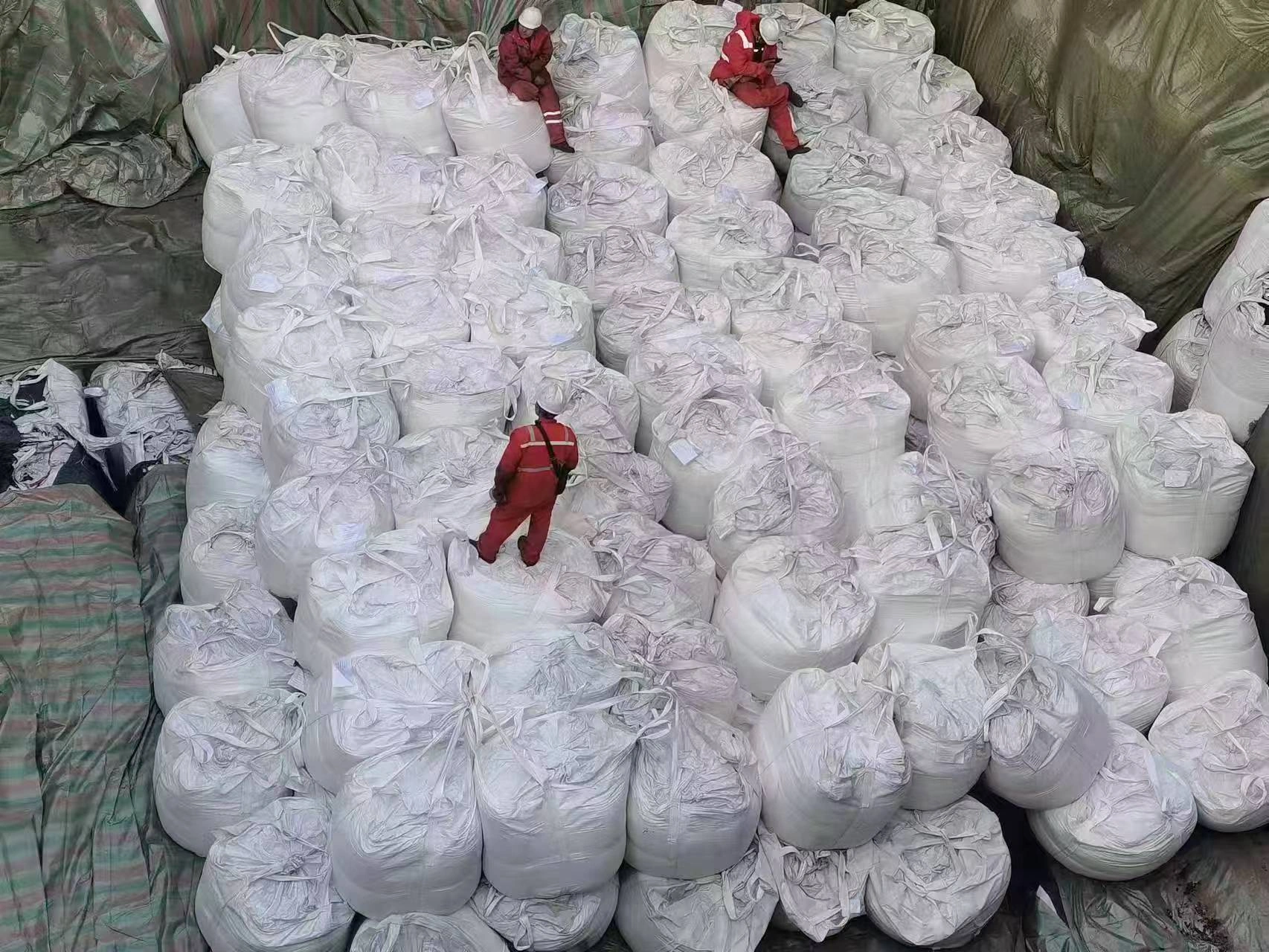
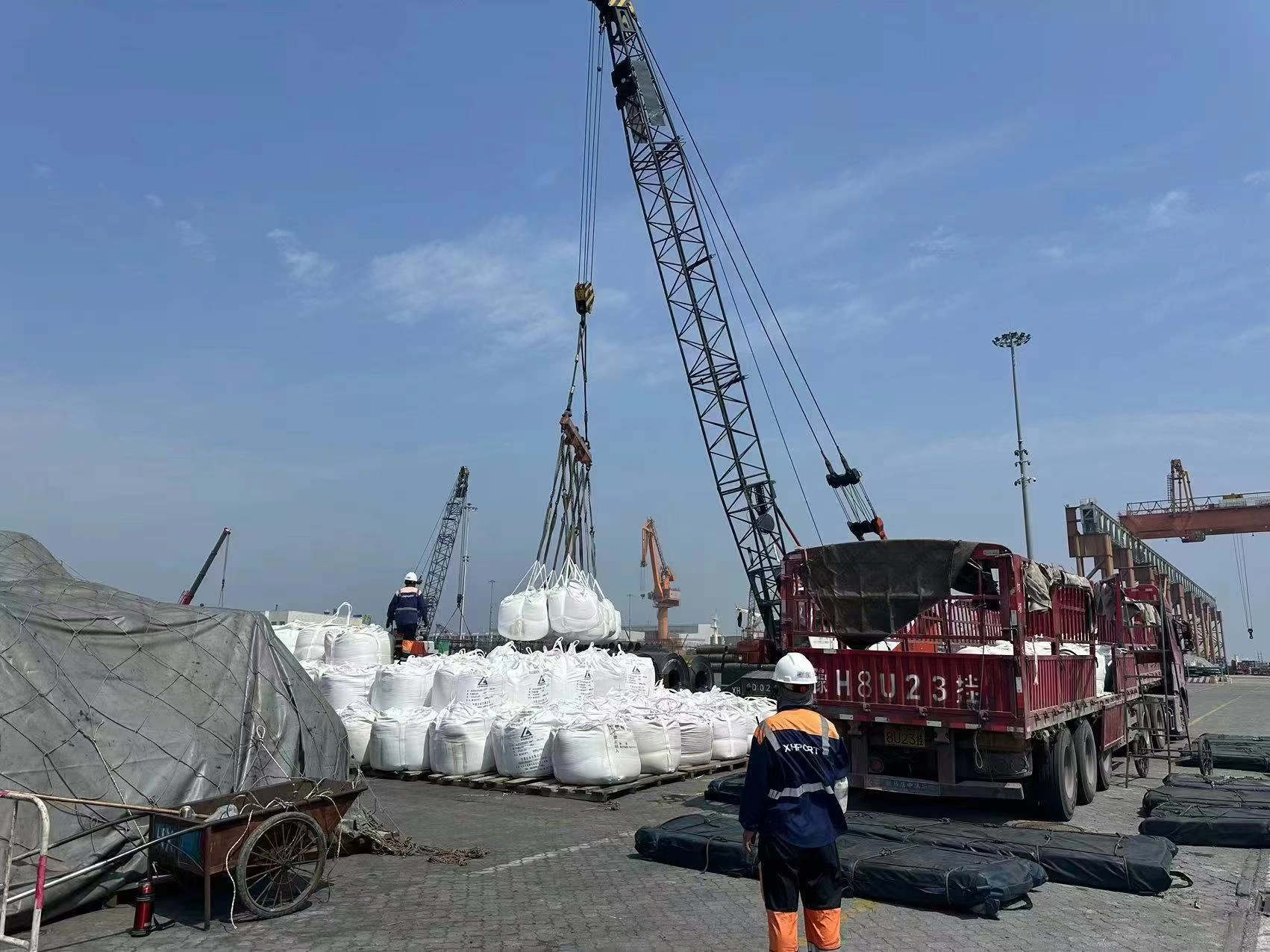
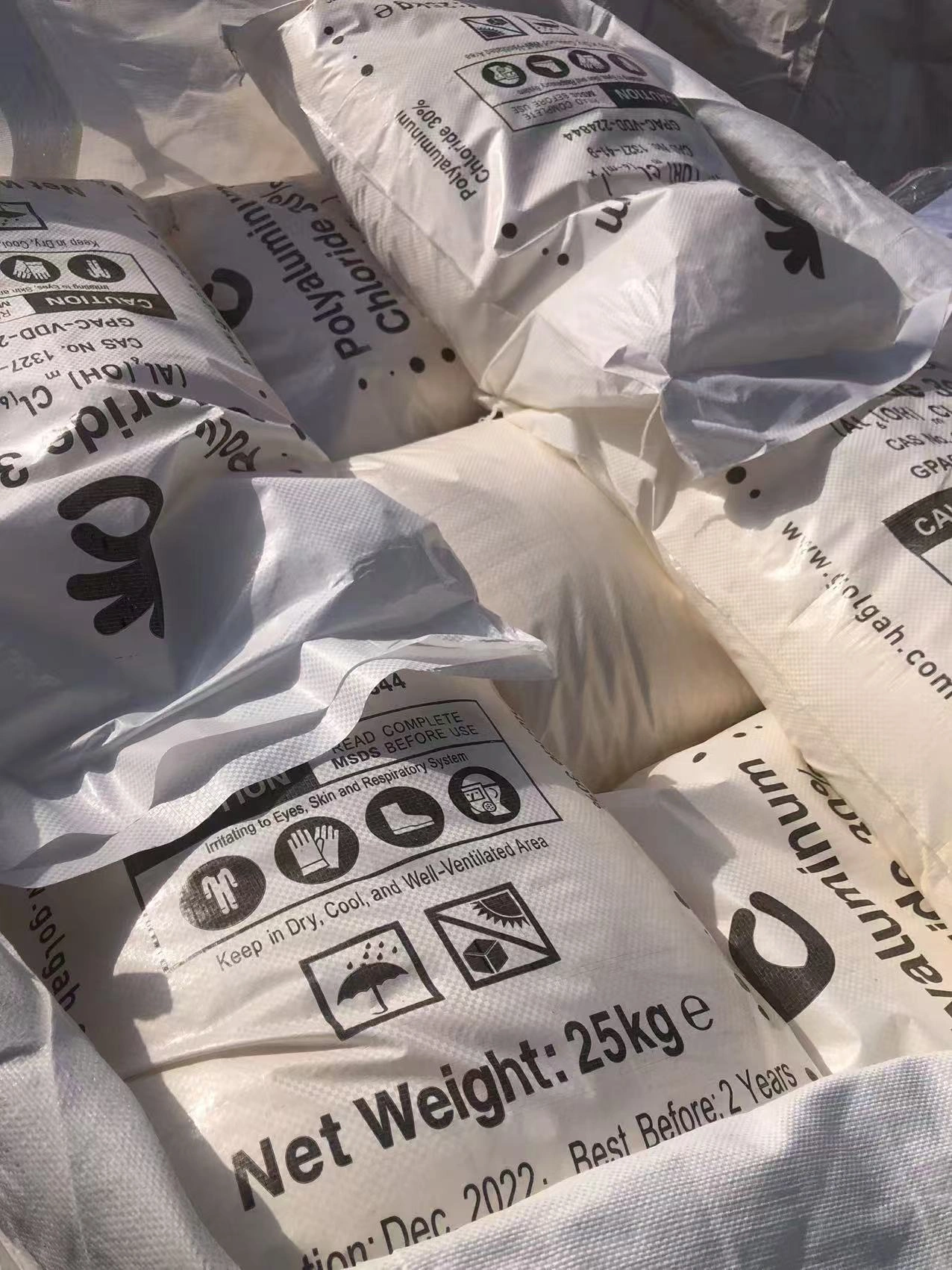
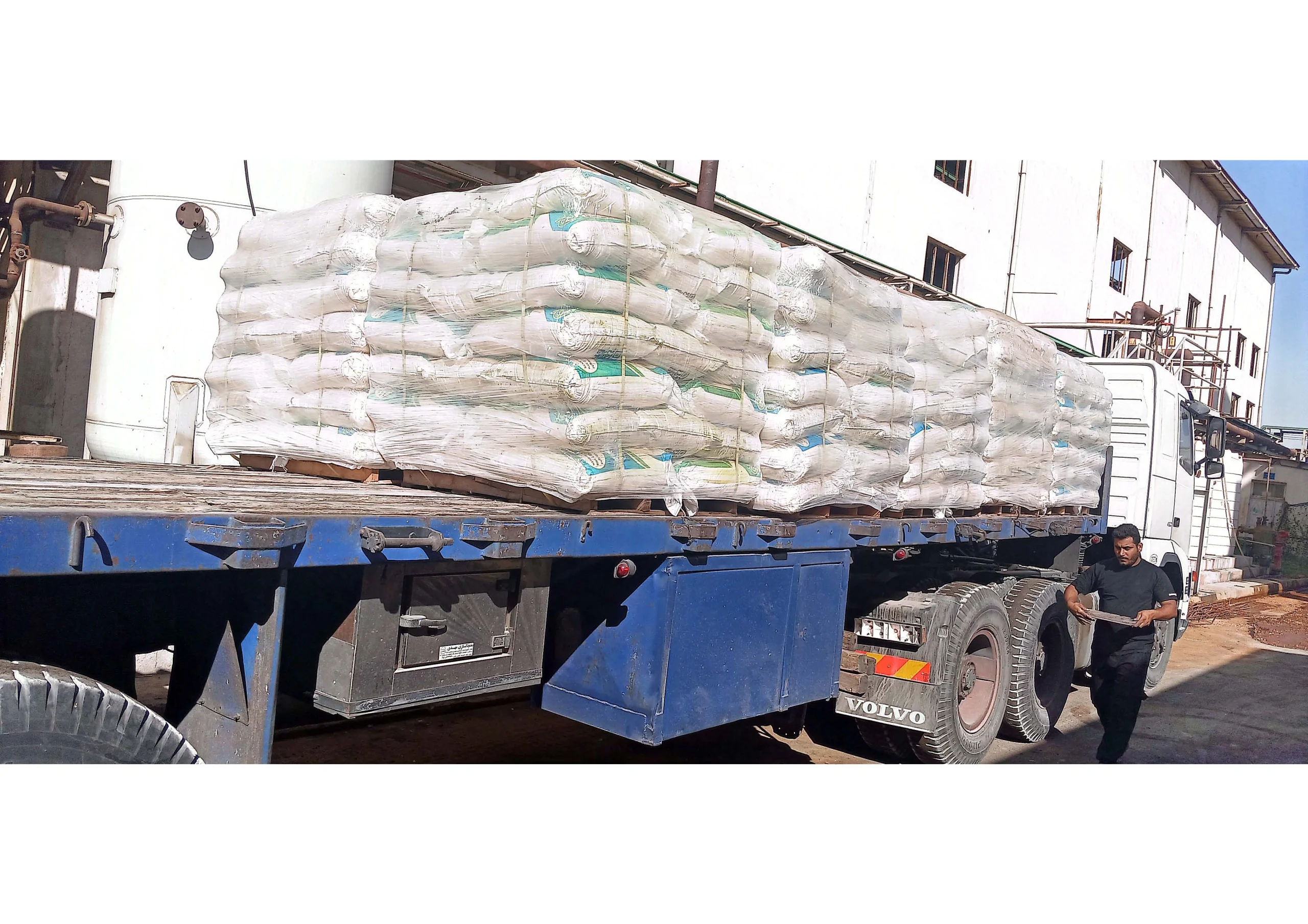
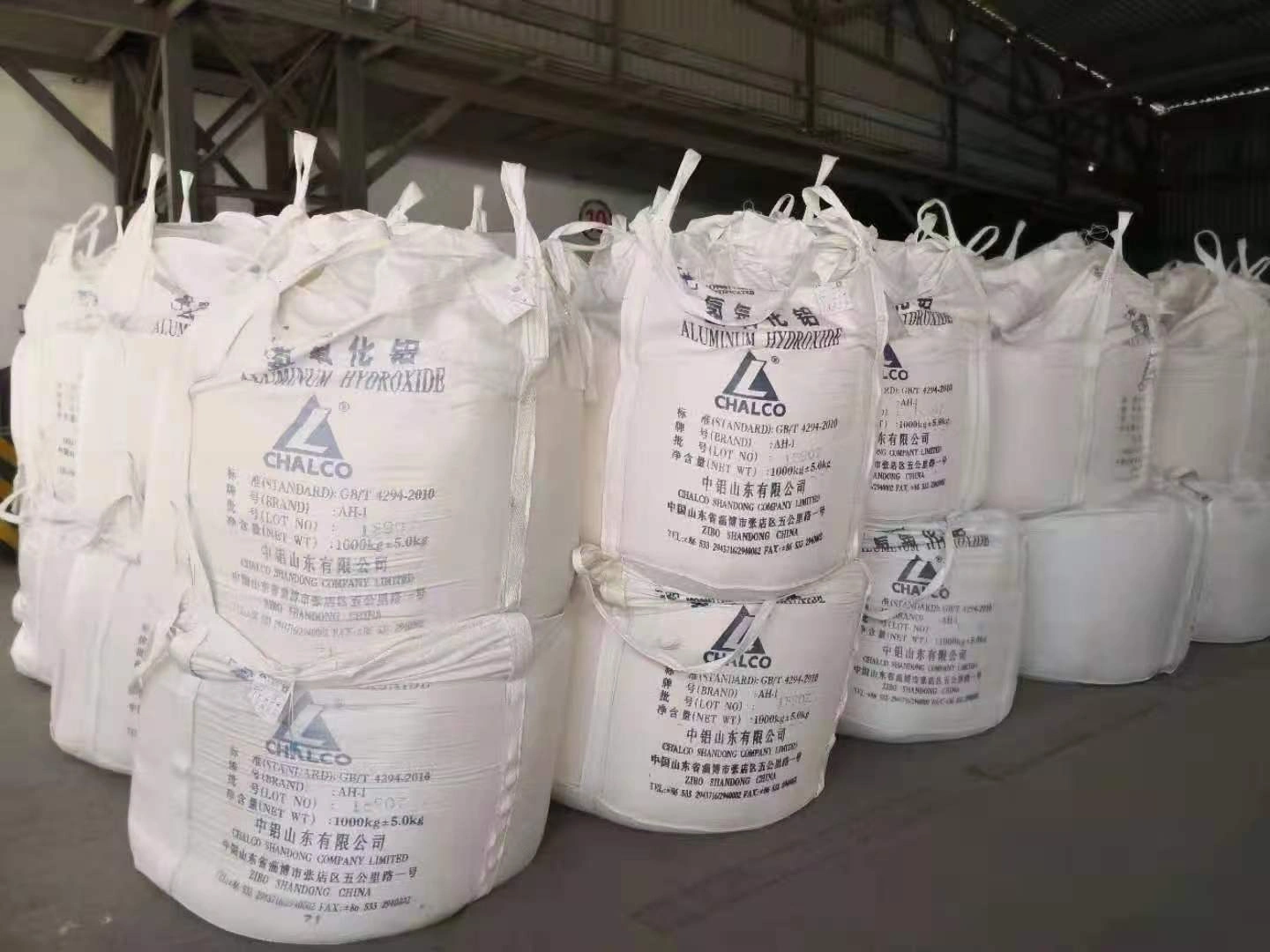
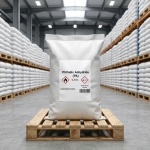
Storage Conditions: Store in paper bags or big bags in a dry, cool place (below 40°C), away from direct sunlight and moisture.
-
Personal Protective Equipment (PPE): When decanting the powder, the mandatory use of an N95 mask, gloves, and safety goggles is required.
6. Quality Assurance & COA
Arnico Bisphenol A shipments are provided with a Certificate of Analysis (COA) detailing the melting point, GC purity, and the percentage of unwanted isomers.